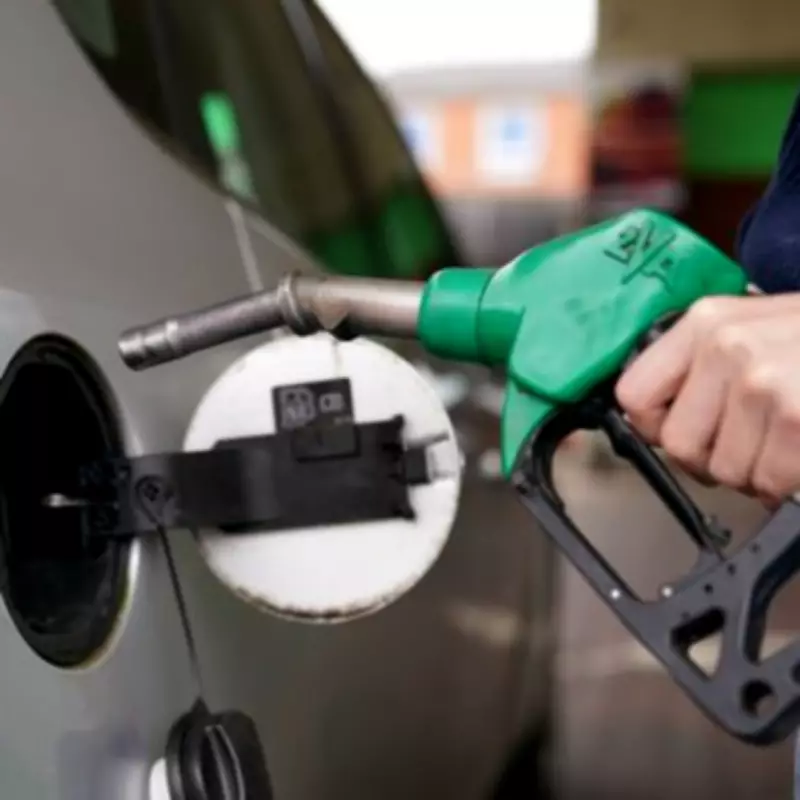
Drivers Warned Over Fuel Stockpiling with Little-Known Rule on Limits
As tensions rise in the Middle East, motorists have been seen queueing at fuel stations across the UK, prompting a motoring expert to issue a stark warning about enforcement action for those stockpiling petrol.
Stockpiling Fuel Could Lead to Penalties
Queues of drivers rushing to fill up before potential price increases have been reported at forecourts nationwide. However, those looking to hoard extra fuel have been hit with an alert regarding a rule that many may not be aware of.
Enforcement could be taken against individuals who stockpile over 30 litres of fuel at home. Storing petrol or diesel incorrectly is not only highly dangerous, but there are specific regulations governing how much extra fuel you can purchase and store safely.

Risks of Breaking the Rules
Violating these rules could result in a hefty fine and, critically, completely invalidate your insurance coverage. Graham Conway, Managing Director at Select Van Leasing, emphasized the importance of understanding the risks involved.
"Many drivers are trying to get ahead of rising prices by storing extra fuel at home, but it’s important to understand the risks and responsibilities that come with that," said Conway. "Petrol is one of the most flammable substances you can keep at home. Using the right containers and storing it safely can help prevent accidents and protect your insurance cover if anything goes wrong."
He added that while having spare fuel might seem convenient, doing it incorrectly can end up costing far more than any potential savings.
Legal Limits and Storage Guidelines
Under UK law, you are permitted to store up to 30 litres of petrol at home without needing to declare it or apply for a licence. This allowance can be distributed across:
- Two 10-litre metal jerry cans
- Two 5-litre plastic containers
All containers must be purpose-built for fuel and have proper closures to ensure safety. If you exceed the 30-litre limit, even accidentally, you must notify your local Petroleum Enforcement Authority.
Insurance Implications and Enforcement
Failing to report excess storage could lead to enforcement action, particularly if discovered after a fire or insurance claim. Incorrectly stored fuel causing damage to your vehicle—such as fire, explosion, or corrosion from leaks—might be deemed negligence by insurers, leading to rejected claims.
Similarly, if you have misrepresented how your vehicle is stored to your insurer, such as claiming it is kept in a secure driveway when it is parked near improperly stored fuel, your cover could be invalidated or payouts reduced.
While fines for illegal storage are rare, local authorities have the power to issue penalties or take legal action if unsafe storage is reported or poses a hazard. In the event of a fire, you could be held liable, even if the fuel was intended for personal use.