Advanced 'Intelligent' Speed Cameras Deployed with Enhanced Capabilities
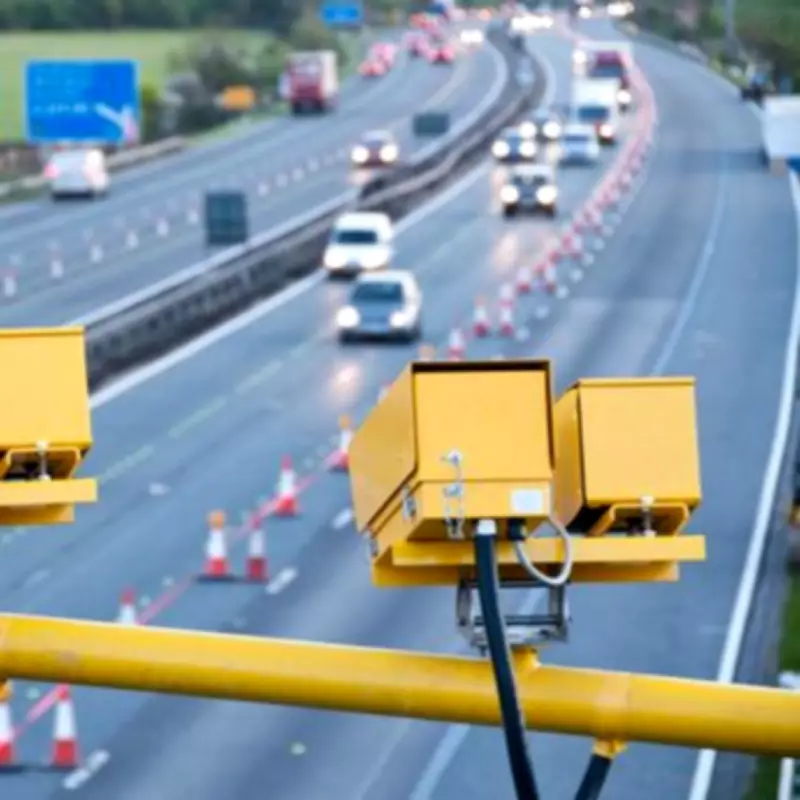
New 'intelligent' speed cameras are currently being implemented on roads throughout the United Kingdom, featuring a dramatically extended operational range. This development serves as a critical warning to drivers, who now face the possibility of being detected for speeding from much greater distances than ever before.
Enhanced Surveillance and Detection Capabilities
According to the RAC, these innovative radar cameras possess the ability to monitor up to five lanes of traffic moving in both directions simultaneously. This represents a substantial improvement over existing camera systems, which are typically limited to covering only three lanes of traffic traveling in a single direction. Consequently, vehicles that might have previously evaded detection are now far more likely to be identified and recorded.
The new cameras operate without emitting a flash and do not depend on road markings for functionality, unlike many older models. This stealthier approach makes it considerably more challenging for motorists to anticipate or avoid enforcement actions based on traditional cues.

Initial Trials and Future Expansion Plans
The technology is initially undergoing trials in London, with expectations for a broader national rollout in the near future. Police authorities are eager to leverage this advancing technology to enhance road safety measures across the country.
Siwan Hayward, Transport for London's director of security, policing and enforcement, emphasized the importance of this initiative in a statement to the RAC. "Speeding continues to be a major cause of the most devastating collisions on our roads," Hayward noted. "This trial allows us to test new radar‑based camera technology to ensure it meets London's future enforcement needs. Upgrading our camera network is vital to maintaining strong, consistent enforcement, and together with the Met we are using every tool available to deter speeding, reduce road danger and save lives."
Law Enforcement Perspectives on Technological Advancements
Detective Chief Superintendent Donna Smith, representing the Metropolitan Police's Roads and Transport Policing Command, highlighted the operational benefits of the new system. "This trial will improve reliability and deliver better quality images, helping our officers hold offenders to account and ensuring we have a modern and effective enforcement system that saves lives," Smith explained.
This deployment signifies a strategic shift in traffic enforcement, moving beyond traditional methods to incorporate sophisticated radar technology. Motorists who have grown accustomed to identifying camera locations or calculating safe braking distances may find these tactics increasingly ineffective against the enhanced surveillance capabilities of the new intelligent speed cameras.