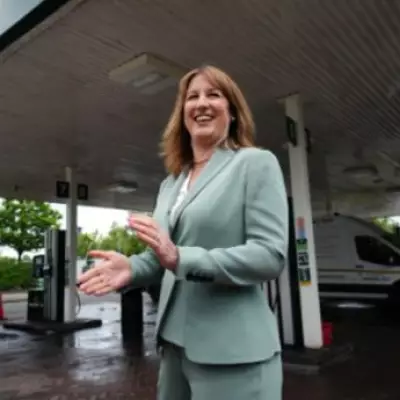
UK households planning weddings are being warned about a significant financial burden dubbed the "wedding tax" under Labour government policies. Business rates for wedding venues across the country are projected to increase by an average of 78 percent over the next three years, creating substantial pressure on an industry already grappling with rising costs.
Financial Strain on Couples and Businesses
Chancellor Rachel Reeves has faced accusations of implementing what industry professionals describe as a "wedding tax" that will directly impact brides, grooms, and their families. According to the latest Bridebook UK Wedding Report, venue and catering expenses for couples are already rising by 24 percent, compounding the financial challenges of planning a wedding celebration.
Industry Leaders Voice Concerns
Harry Henriques, managing director of Cripps & Co venues in Gloucestershire, has strongly criticised the Labour Party's approach to business rates. He argues that the policy represents a "cruel wedding tax" that will be paid by young couples attempting to marry rather than through any mythical pool of excess profits.

"This stealth charge squeezes reinvestment and staffing capabilities within the wedding industry," Henriques stated, highlighting the broader economic implications of the policy changes.
Ripple Effects Across the Wedding Sector
The financial pressures extend beyond venue operators to affect the entire wedding ecosystem. Dorothy Constantino from Bridebook warned that the fallout would impact everyone from florists and photographers to DJs and caterers, many of whom operate as small independent businesses.
"Couples are being forced to make increasingly tough compromises," Constantino explained. "Many are having to reduce spending on wider supplier networks, which directly impacts the small businesses that form the backbone of the wedding industry."
Additional Cost Pressures
Venue operators are simultaneously battling multiple financial challenges beyond business rates. Food prices have increased by 22 percent since 2022, while energy bills have skyrocketed by 70 percent, creating a perfect storm of operational cost increases.
Andrew Perkins, managing director of Wasing Estate, emphasised the industry's commitment to quality despite these pressures. "We will never compromise on quality as couples get one wedding day," he said. "But the government needs to recognise that repeated cost shocks make that harder to deliver consistently."
Changing Wedding Trends and Spending Patterns
The average wedding in the United Kingdom currently costs £21,990, according to industry data. While overall wedding spending has dipped slightly from the peak observed in 2024, the cost per guest has actually risen to £272, indicating a significant behavioural shift among couples planning their celebrations.
Chloe Lansdowne, head of marketing at Hitched, provided insight into these evolving trends. "Last year we witnessed a 12 percent rise in the average wedding cost alongside an increase in guest list size," she noted. "This year, we're observing steadier overall spending patterns, but small increases in cost-per-guest expenditure, which has risen by 4 percent compared to last year."
This suggests that couples are adapting to financial pressures by inviting fewer guests while allocating more resources to those who do attend, creating a more intimate but potentially more expensive celebration experience for each participant.