Thousands of staff at the Department for Work and Pensions (DWP) are preparing for strike action in the new year, declaring they have 'had enough' of poverty pay.
Ballot for Industrial Action
The Public and Commercial Services union (PCS) has confirmed that its members will move to a statutory strike ballot in January 2026. This decisive step comes after DWP workers overwhelmingly rejected the department's 2025/26 pay offer in a consultative ballot held in October. The formal vote for industrial action is scheduled to take place after the Christmas period.
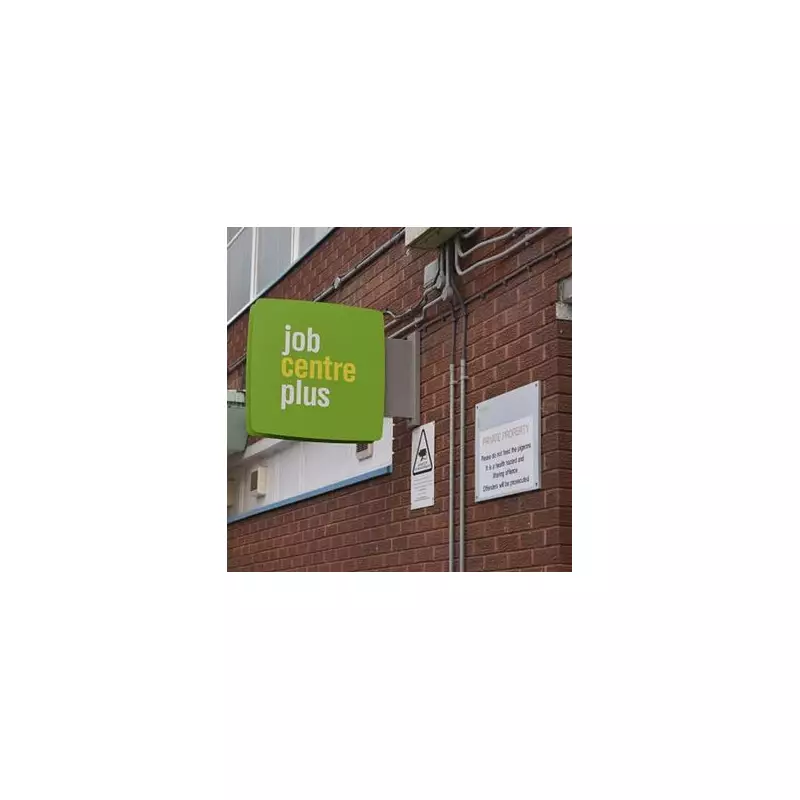
The dispute centres on a pay offer that the union claims fails to address chronic low pay among its lowest-paid members. The potential walkout could cause significant disruption across Jobcentres, Universal Credit service centres, Personal Independence Payment (PIP) centres, pension centres, and child maintenance offices.

The Root of the Dispute: Pay and Conditions
According to the PCS, the core of the issue is the DWP's pay offer. The union states that the deal fails to prioritise staff in the lowest three grades. It is estimated that 25,000 workers in these grades will see their pay flattened from 1 April 2026, bringing it level with the National Living Wage.
Instead of tackling this problem, the PCS alleges that the DWP used an additional 0.5% of the pay pot to address anomalies in higher pay grades, a move that has further angered lower-paid staff.
A survey conducted by the union paints a stark picture of the financial hardship facing many DWP employees. The findings reveal that members are unable to pay household bills, are turning to credit cards to make ends meet, and are struggling with debt.
Shockingly, 20 per cent of respondents claim in-work benefits to supplement their income, while almost 14 per cent reported using foodbanks for extra support.
Union and Official Statements
PCS General Secretary Fran Heathcote did not mince her words, stating: "The functioning of the welfare state depends on our members’ hard work and good will. But they have had enough of poverty pay."
She emphasised that "DWP has some of the lowest paid members in the civil service, paid well below the market value for their skilled work," and that the endorsement for strike action shows a strong determination to fight for fair pay.
Heathcote issued a direct challenge to the government, saying: "Ministers and departmental leaders must take their fingers out of their ears, talk to our members and come to terms with reality so that we can resolve this dispute." The union is demanding fair pay in recognition of the vitally important service its members deliver to some of the most vulnerable people in society.