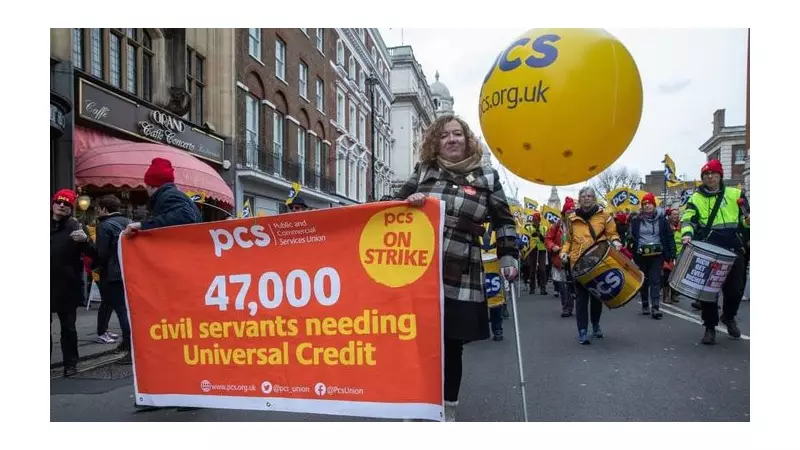
A major ballot for industrial action has opened today, putting 50,000 staff at the Department for Work and Pensions (DWP) on the brink of nationwide strikes.
Ballot Opens Amid Pay Dispute and Recruitment Crisis
The Public and Commercial Services (PCS) union has confirmed the statutory ballot is now underway, with voting set to continue until February 23. The result will determine the future of welfare services across the UK, with staff in Universal Credit centres, Jobcentres, and pension offices taking part.
The union points to a severe recruitment and retention crisis, revealing that approximately 25,000 DWP employees are currently on the lowest pay grades. From April, their wages will align only with the national living wage, a situation the PCS labels as 'unsustainable' for skilled civil servants.

'Poverty Pay' Driving Staff to Desperation
PCS General Secretary Fran Heathcote stated that strike action is a last resort for members who are proud of their vital work but are being pushed into financial hardship.
"Our members want to work," Heathcote said. "They are proud of the job they do in DWP because they know it's of great value to society, but this level of poverty pay is not sustainable. Members across the department have told us that they are struggling financially as debt spirals, and as workplace stress increases, people's mental health further deteriorates."
She emphasised that these workers, upon whom the welfare state relies, remain among the most underpaid in the entire civil service.
Potential Impact on Benefit Claimants
If the strike action proceeds, it could cause significant disruption for millions relying on state support. Claimants of Personal Independence Payments (PIP) and Universal Credit may face:
- Considerable delays to regular payments.
- Long wait times for assistance at local service centres.
- Difficulties in processing new claims or changes in circumstances.
A DWP spokesperson defended the department's position, stating: "We are committed to ensuring competitive pay for all employees, and we have listened to feedback from trade unions, which helped influence the final offer and considered the upcoming national living wage increase. The current pay award reflects our ongoing efforts to balance various priorities and meet our staffing needs."
The outcome of the vote, expected after the ballot closes on February 23, will decide whether the UK faces its largest wave of industrial unrest in the welfare sector in years.