A landmark tidal energy project for the River Mersey, championed for its dual role in combating climate change and generating renewable power, has progressed to a crucial new stage of development.
Protecting Homes and Powering the Future
New analysis set to be presented to the Liverpool City Region Combined Authority (LCRCA) underscores the urgent need for improved flood defences as sea levels rise. The report reveals that, with current defences unchanged, the number of properties at risk from storm surges in the Mersey estuary would treble due to climate change.
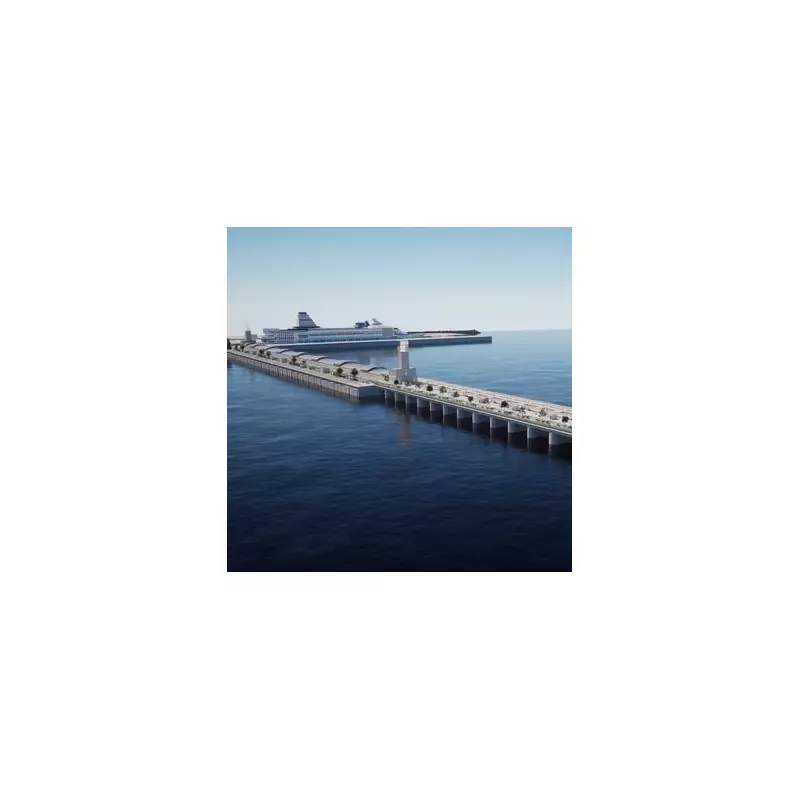
The proposed Mersey Tidal Power Project, a long-held vision of Metro Mayor Steve Rotheram since 2017, is now being highlighted as a potential solution. Engineering modelling demonstrates that a barrage could significantly reduce tidal levels upstream, offering vital protection to homes and critical infrastructure across Merseyside.

Project Enters Key Development Phase
The ambitious scheme has now commenced Phase 4 Development activity. This phase encompasses vital work on consenting, detailed engineering, project development, and commercial structuring. While the project has received interest and principle support from the government, the Combined Authority continues to work with various departments to secure the necessary development funding to complete a full business case.
Officials are hopeful that a full planning submission could be made this year, with an ambitious target for construction work to begin in 2028. Beyond energy and flood defence, the project promises to create thousands of jobs and could include a dedicated cycling and pedestrian route linking Liverpool and Wirral.
International Interest and Long-Term Vision
The project's potential has attracted international attention. In November, it was revealed that South Korea's national water management company, K-Water, could invest in the future. K-Water, which operates the Sihwa Lake Tidal Power Plant, signed a two-year extension to a memorandum of agreement with the Metro Mayor's office two months ago, building on an original 2022 partnership.
Leaders believe the barrage could generate enough clean electricity to power hundreds of thousands of homes for up to 120 years, providing a long-term, sustainable energy source for the region while actively guarding it against the escalating impacts of climate change.