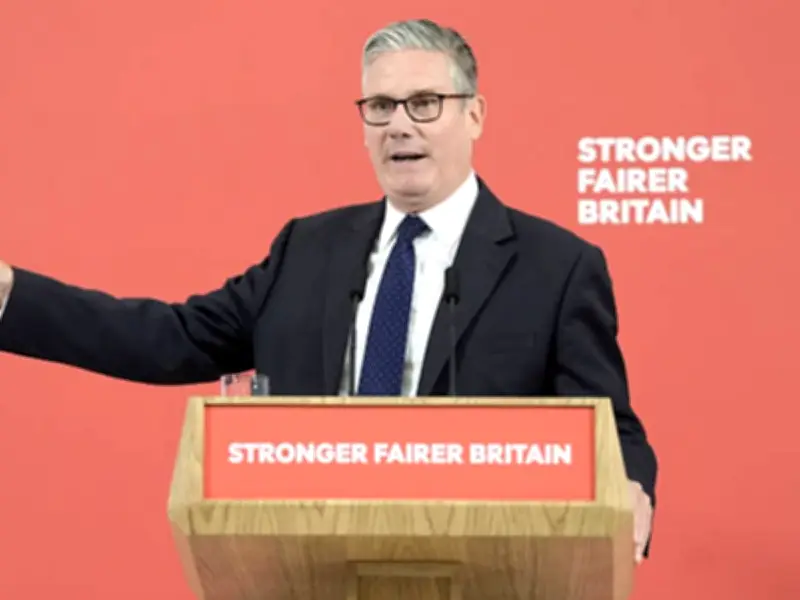
Outgoing Prime Minister Sir Keir Starmer has confirmed a new £13-an-hour pay rule for workers over 21 in England, delivering a £900 annual increase. However, business groups warn the move could put more jobs at risk and spark inflation.
Details of the Pay Rise
From 1 April 2026, workers over 21 on the National Living Wage will be paid £12.71 an hour, 50p more than in 2025. For someone working full time (37.5 hours a week), that amounts to £24,784.50 a year—an increase of £900.
Warnings from Business Groups
The Confederation of British Industry (CBI) and the British Chambers of Commerce (BCC) have issued warnings. Kate Shoesmith, deputy chief executive of the BCC, said: “Any further above-inflation increases to the national living wage will only tip more firms over the edge.” Matthew Percival, a director at the CBI, added: “Recent increases in the National Living Wage have significantly outpaced productivity growth, at a time when firms are already dealing with rising energy prices, higher taxes and growing employment costs. That mismatch is forcing difficult trade-offs for businesses, with many forced to reduce hiring, lower investment or raise prices.”

Future Increases and Government Response
The Low Pay Commission (LPC) said in March it was poised to recommend an increase of up to 5% in 2027. Its central estimate of £13.18 an hour would represent an above-inflation increase of around 3.7%. A Labour Party government spokesman said: “We consider the independent advice of the Low Pay Commission when setting minimum wage rates, ensuring the right balance is struck between the needs of workers, affordability for businesses and the impact on the economy.”
Enforcement
It is a criminal offence for employers not to pay the correct National Minimum and Living Wages to eligible employees. The rates apply even if workers are not paid by the hour.