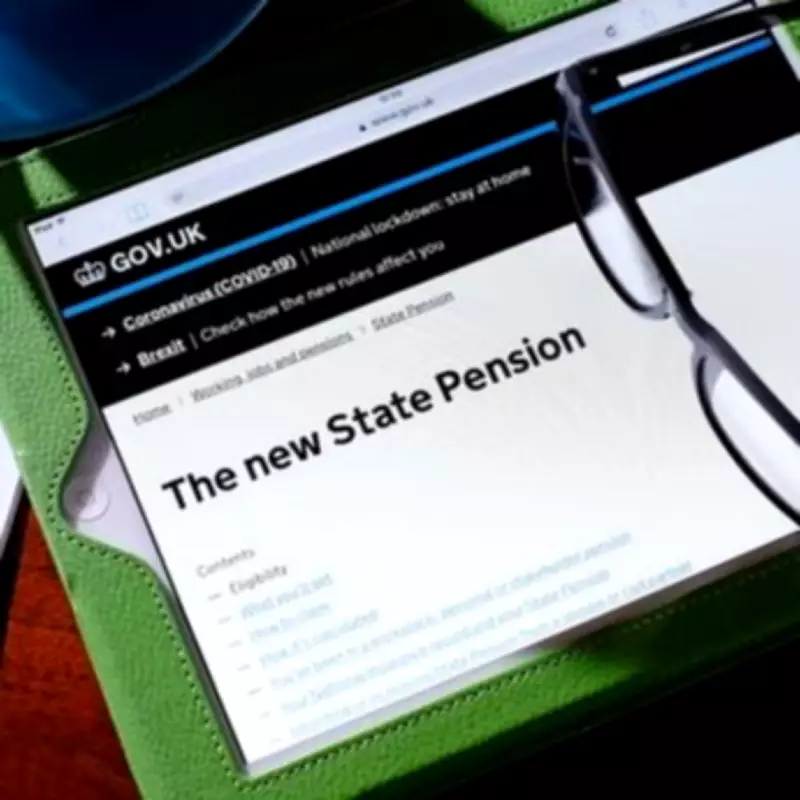
HMRC Issues Tax Demand Letters to Majority of State Pension Recipients
The tax authority has sent demand letters to 70% of state pensioners, with further notifications anticipated as the new tax year approaches next month. Analysis from financial services provider Royal London reveals that nearly seven in ten retired individuals who are no longer working paid tax on their pension income to HMRC during the previous year.
Substantial Tax Bills and Widespread Confusion
Those who faced tax bills paid an average exceeding £4,500, with more than a quarter handing over sums greater than £5,000. Alarmingly, 41% of pensioners did not know the State Pension is taxable, according to the research. The study found that 68% paid tax on their pension income last year, while one in four did not pay tax and 7% were uncertain about their tax status.
Most pensioners who paid tax (88%) expected to do so, but 12% were caught by surprise. Additionally, 66% of those who paid tax either did not know how much they paid or could not remember the amount.

Expert Commentary on Pension Taxation
Sarah Pennells, consumer finance specialist at Royal London, commented: "The fact that approximately 4 in 10 adults do not know the State Pension is taxable is not surprising as it's paid without tax being taken off."
"However, from April, the full new State Pension will be less than £30 below the personal allowance, so it's more important than ever that people understand what tax they may have to pay," Pennells added. "Our research shows that almost 7 in 10 – 68% – of those who are retired and not working paid tax on their pension income, with the average amount of tax paid standing at over £4,500."
Understanding Tax Obligations and Planning Ahead
Pennells explained that some pensioners who built up a larger State Pension under the old system, thanks to the State Earnings Related Pension Scheme (SERPS), will already be paying tax even if they have no other retirement income. "If your total income in retirement, including any workplace or private pensions, is more than the personal allowance, you will be taxed automatically or sent a tax bill," she stated.
To avoid unexpected bills, Pennells recommends:
- Calculating your total retirement income in advance
- Requesting annual payment information from defined benefit pension schemes
- Considering varying income amounts from personal or workplace pensions to reduce tax liability
- Utilizing the official government tool on Gov.uk to determine tax likelihood
The warning comes as the tax year end looms in April, highlighting the need for greater awareness and financial planning among pensioners to manage their tax obligations effectively.