Three Pension Pitfalls That Could Cost UK Savers Over £40,000
Brits have been issued a stark warning about three prevalent pension mistakes that could collectively drain over £40,000 from their retirement savings. This alert comes as research indicates that more than 10 million adults across the United Kingdom consider themselves too busy to properly manage their pension arrangements.
Financial education specialist Antonia Medlicott, Managing Director of Investing Insiders, has highlighted these critical errors and provided guidance on how to avoid them. Pensions form a crucial component of our financial futures, so understanding these common pitfalls is essential for safeguarding long-term security, she emphasised.
Investing in Underperforming Pension Funds
Many pension providers offer multiple investment funds, yet countless savers simply accept the default option without conducting proper research. This passive approach can prove costly over time. While letting providers select funds might seem convenient, evidence suggests it rarely delivers optimal performance.

Savers can review their pension's performance by examining annual statements or accessing online accounts. Comparing your fund against alternatives is straightforward, with many providers enabling self-service switches through digital platforms. Over a decade, the performance disparity between top and bottom funds averages 5.5% annually.
With average UK pension contributions around £2,100 yearly, selecting a higher-performing fund could generate an extra £115.50 annually, accumulating to £1,155 over ten years through compounded growth.
Withdrawing Pension Savings Prematurely
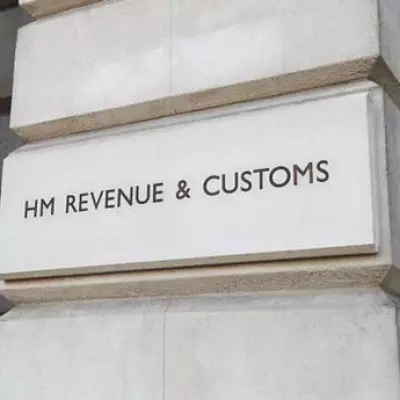
Accessing pension funds before the designated retirement age—currently 55, rising to 57 from 2028—triggers substantial tax penalties. HM Revenue and Customs treats such withdrawals as unauthorised payments, applying a hefty 55% tax charge.
Most pension schemes restrict early access except for specific circumstances like serious ill-health. By contrast, waiting until retirement age provides significant tax advantages, including 25% of the pension pot being tax-free.
For illustration, withdrawing £30,000 early would incur £16,500 in tax, whereas accessing the same amount after age 55 might reduce the tax liability to just £4,500—a potential saving of £12,000. Additionally, savers should monitor management fees, as charges like NEST's 1.8% contribution fee can erode hundreds from retirement funds.
Overlooking Inheritance Tax Rule Changes
From April 2027, pensions will become part of an individual's estate for inheritance tax purposes, potentially drawing more people into the IHT net. This represents a significant shift in pension taxation that requires proactive planning.
Utilising IHT gift allowances provides one mitigation strategy. Individuals can gift up to £3,000 annually without tax implications, though larger gifts may become taxable if the donor dies within seven years. Reducing the estate's value through gifting can lower eventual IHT liabilities.
With average UK pension pots at death ranging between £50,000 and £150,000, proper planning becomes crucial. For someone with a £100,000 unused pension and an estate valued at £335,000, approximately £30,000 could be payable in inheritance tax under the new rules.
These pension complexities underscore the importance of regular review and informed decision-making. As Medlicott concludes, staying abreast of regulatory changes and actively managing pension investments can prevent substantial financial losses during retirement years.