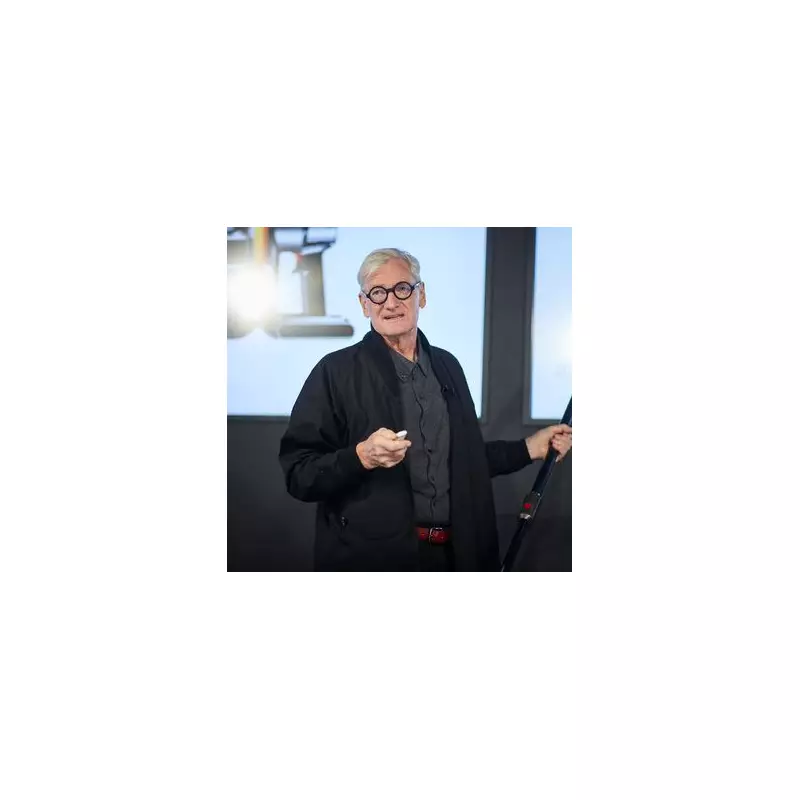
Billionaire inventor Sir James Dyson has issued a stark warning, stating that manufacturing businesses will only remain in the UK if the government and the nation genuinely "wanted it". The remarks came during his guest editorship of BBC Radio 4's Today programme on Friday, 26th December 2025.
A Lost Enthusiasm for Making
Sir James expressed concern that the natural problem-solving instincts and "enthusiasm for making things" seen in children are systematically stamped out. He argued that fostering this mindset is crucial for the country's future.
"If only society was like that, we had lots of engineers who could develop new technologies, make things work better and create wealth and jobs," he told the BBC.

Defending the Move to Asia
The businessman, who relocated his company's production to East Asia in 2002 and moved its headquarters to Singapore in 2019, addressed long-standing criticism of his decisions. He firmly denied that lower labour costs were the primary motivator.
"When we moved our production to Asia, which I didn't want to but I was forced to, everyone else was moving their production to Asia," Sir James stated. He emphasised the critical need to be near supply chains, saying, "You can't have a factory where you have no suppliers."
A Call for Action Over Words
Sir James, a critic of both Conservative and Labour governments' industrial strategies, lamented a national decline in practical focus. "We talk an awful lot. I mean, politicians obviously talk an awful lot, but I don't think we get things done," he said.
He believes the UK has "lost our interest in engineering and lost our interest in manufacturing," which he called a "great shame" due to its role as a key wealth and job creator. Despite manufacturing abroad, Dyson maintains a significant UK research and development base, employing about three times more people than its former British factories did.
Rejecting the 'Services-Only' Future
Dismissing the notion that manufacturing is for developing economies, he pointed to China as a powerful counter-example. "China makes things, and you would hardly call it a developing country," he argued.
His final warning was clear: "I think in the end, services will die if you don't make things." He stressed that tangible production remains the indispensable foundation for a prosperous, balanced economy.