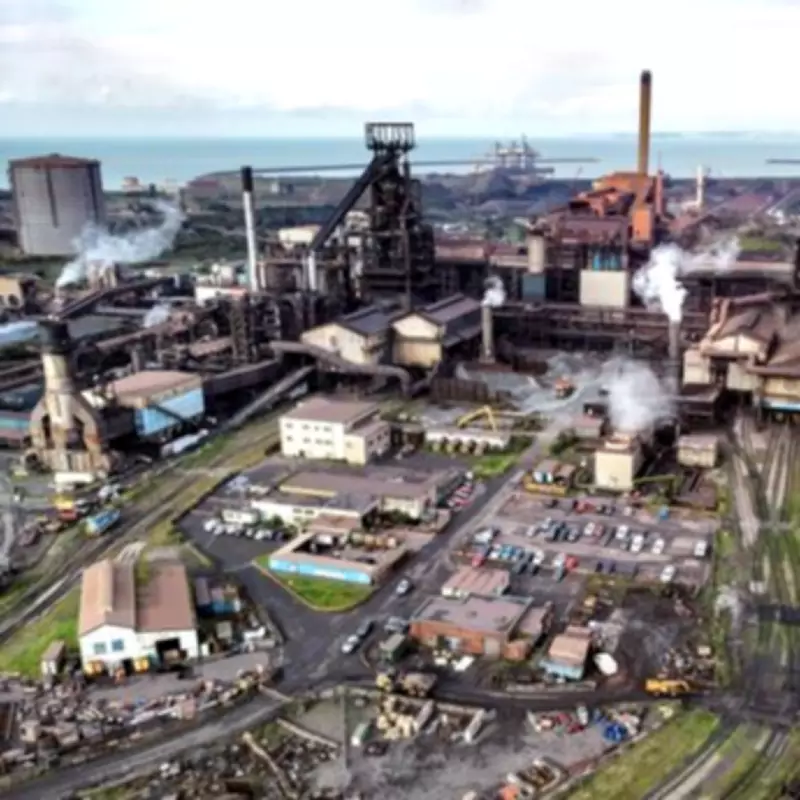
The UK steel industry faces a critical two-month deadline for survival, according to a stark warning from one of the sector's leading figures. Russell Codling, Director of Markets Business Development at Tata Steel UK, has told Parliament that the entire manufacturing base is "teetering on the brink" and requires immediate state intervention to prevent collapse.
Urgent Plea for Government Action
Speaking before the Business and Trade Committee on Tuesday, Mr Codling delivered a sobering assessment of the industry's precarious position. He emphasised that fears over cheap Chinese imports flooding the market represent an existential threat to domestic steel production. The director called for the UK Government to follow the protective measures already implemented by the European Union and United States.
The Looming Safeguard Deadline
Currently, specific imported steel products face a 25% tariff under existing safeguards, but this crucial protection is set to expire in June. Tata Steel has urged ministers to announce either a replacement system or an extension of the current measures without delay. "Frankly speaking, the UK Government has two months to save the UK steel industry," Mr Codling stated, describing the situation as "a death knell for the industry at large and its supply chains."

He stressed the need for decisive action to be in place by July 1, warning that failure to act would mean the country "won't have a steel industry not many months from now." This urgent timeline underscores the severity of the crisis facing a sector that has already contended with significant challenges in recent years, including the transition to greener production methods at major plants like Port Talbot in South Wales, which resulted in substantial job losses.
Broader Context of Industrial Challenges
The plea for support comes amid a prolonged period of difficulty for British steel manufacturing. The industry's struggle to compete with international competitors, coupled with the substantial costs associated with decarbonisation and modernisation, has created a perfect storm. Mr Codling's testimony highlights a growing concern that without protective tariffs and strategic government backing, the UK risks losing a foundational component of its industrial and manufacturing infrastructure.
The call to action places significant pressure on policymakers to devise a swift and effective response. The future of thousands of jobs, complex supply chains, and national industrial capability now appears to hinge on decisions made within a very narrow window of opportunity.