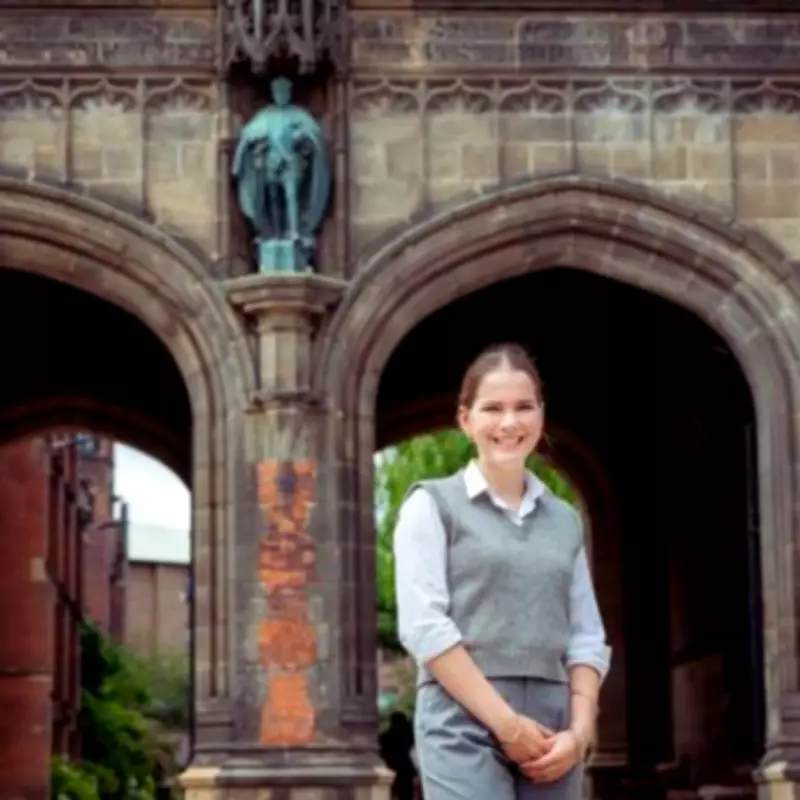
From Classroom Project to Thriving Business: Newcastle Student's Animal Health Innovation
A talented young entrepreneur studying at Newcastle University has successfully transformed an A-Level project into a promising animal health technology start-up that has already secured significant early-stage investment. Henrietta Newble, a 19-year-old mechanical engineering student originally from Cambridge, has launched AnFiTest, a company developing rapid diagnostic solutions for veterinary professionals.
Substantial Funding and Expansion Plans
The innovative venture has already raised an impressive £40,000 through Innovate UK's Growth and Scale programme, with Ms Newble currently in the process of securing an additional £80,000 to fuel further development. The company has established physical premises complete with laboratory space and offices, marking a significant milestone in its growth trajectory.
Addressing Critical Veterinary Needs
AnFiTest focuses specifically on creating portable diagnostic devices for horses and livestock, aiming to solve what the founder identifies as a shortage of fast, accessible and reliable on-site testing options within animal healthcare. The technology seeks to replace slower laboratory-based testing methods and reduce reliance on more subjective assessments traditionally made by veterinary practitioners.

The portable diagnostic system targets major nutrition-based animal diseases, providing veterinarians with immediate, accurate results that can inform timely treatment decisions and potentially prevent serious health complications in animals.
Entrepreneurial Journey and University Support
Ms Newble's entrepreneurial spirit emerged early, with business ventures beginning during primary school years including a computer-aided design company and a T-shirt business launched at just ten years old. Her current enterprise originated as a school project that evolved through dedicated market research and development.
"It was a rudimental project, but it gave me time to do initial market research," Ms Newble explained. "Then I was told I should keep going with it."
The turning point came when she presented her concept at a Newcastle University START UP pitching workshop, where it immediately captured the attention of the university's entrepreneurship team. This connection provided access to crucial mentorship from academic staff across disciplines, including chemists who assisted with early prototype development.
"Newcastle University's START UP team gave me the confidence and the structure to turn an idea into a real company," Ms Newble stated. "I've built networks, accessed labs, secured funding and been supported every step of the way."
Creating Opportunities and Building Expertise
The growing company has already begun creating valuable opportunities for fellow students, employing four interns through Newcastle University's NCL Internships programme. AnFiTest has strengthened its leadership team by appointing a research and development director who holds a PhD from Oxford University, bringing additional academic expertise to the venture.
University Recognition and Regional Impact
Claire Adamson, senior manager for entrepreneurship and start-up at Newcastle University, praised Ms Newble's achievements: "Henrietta is a fantastic example of what can happen when early curiosity is matched with the right support. From the moment she pitched her idea, it was clear she had both technical ability and the drive to build something impactful."
Ms Adamson highlighted the significance of a female STEM student launching an innovative product into a growing sector, noting that Ms Newble serves as an important role model for aspiring entrepreneurs, particularly women in science and technology fields.
Professor Jane Robinson, Newcastle University's pro-vice-chancellor for business, partnerships and place, added: "We are proud of Henrietta's success - she is an example of what is possible when talent, purpose and ambition come together. With the right support in a university setting, ideas grow and budding entrepreneurs can discover what they're capable of."

The professor emphasised the broader economic benefits such entrepreneurial activity brings to the region, stating: "We encourage our students and graduates to take the first step and are here to support them to turn their ideas into thriving businesses. Their drive and ambition positively benefit our communities, industries and the North East economy."
Ms Newble's journey into engineering began through scholarship opportunities and work experience placements, having briefly considered architecture before selecting mechanical engineering at Newcastle University due to its specialist masters pathway and the city's established reputation for innovation.