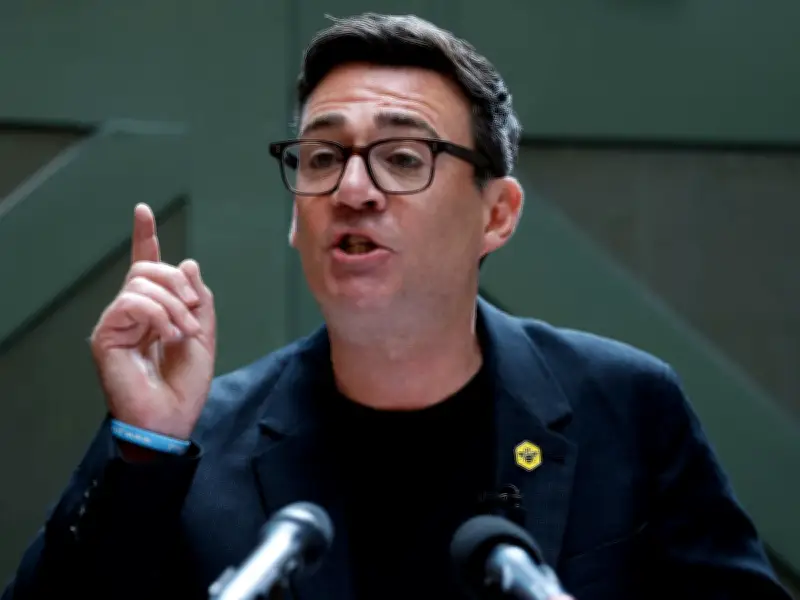
Andy Burnham is set to become Prime Minister later this month, and upon entering Downing Street, he will inherit a controversial £35,000 pension rule. This threshold determines eligibility for Winter Fuel Payments, an annual allowance intended to help older people heat their homes during colder months.
Winter Fuel Payment Means-Testing
The Winter Fuel Payment, worth either £200 or £300 depending on age, is now linked to income. Under rules introduced by Keir Starmer and Rachel Reeves, any pensioner with an income over £35,000 does not get to keep the allowance. These households are judged to be financially comfortable enough to manage without the extra support. The policy was implemented after a backlash over deeper cuts to the winter allowance, aiming to target help at low-income pensioners while avoiding payments to those who do not need it.
How the Payment Works
Winter Fuel Payments are usually deposited into bank accounts each November. All pensioners initially receive the allowance, but those with incomes exceeding £35,000 must repay it. The cash is taken back in instalments from pension payments over the following year. This means that higher-income pensioners effectively lose the benefit, while lower-income households retain it.

Impact on Pensioners
According to the article, existing qualifying rules for Winter Fuel Payments are likely to remain in place under Prime Minister-in-waiting Andy Burnham. The £35,000 threshold affects a significant number of pensioners, though exact figures are not provided. The policy aims to cover all low-income pensioners who require help without giving away cash to those who don't need it. However, critics argue that the means-testing process can be complex and may penalize pensioners with modest savings or part-time work.
As Burnham prepares to take office, the future of the Winter Fuel Payment policy remains a key issue for pensioner groups and campaigners. The new Prime Minister may face pressure to review the threshold or introduce alternative measures to support older people with energy costs.