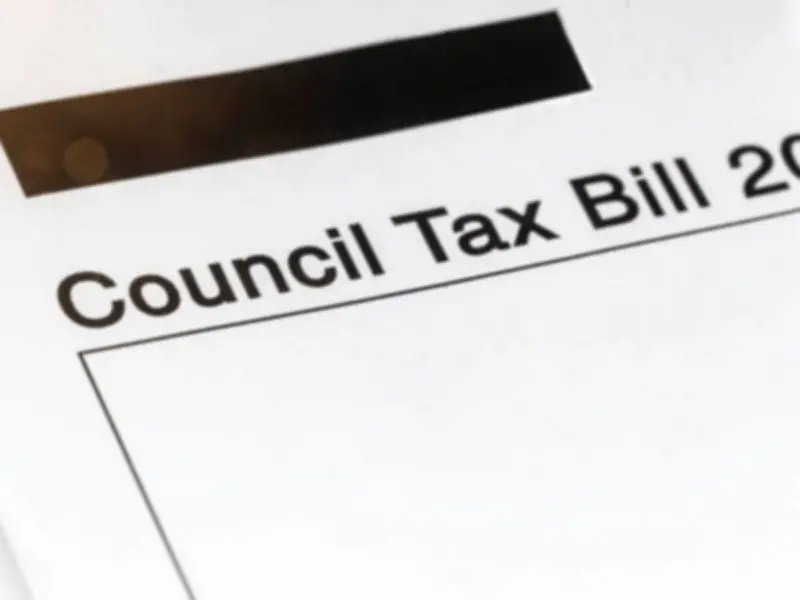
Consumer experts Which? are urging UK households to check their council tax band, warning that many may be paying too much. The warning comes as council tax rates remain tied to property valuations from 1991, a system Which? describes as outdated.
Council tax bands based on 1991 values
In a TikTok video, Which? highlighted that council tax bands are determined by what a home was worth in 1991. "That's the year Terminator 2 came out, but that valuation has barely changed since," they said. In England, Band A covers properties valued up to £40,000 at 1991 prices, while Band H applies to homes worth over £320,000 in the same year. The average Band D corresponds to homes valued between £68,000 and £88,000 in 1991.
Survey reveals success in challenging bands
A Which? survey found that more than half (54%) of people who challenged their council tax band successfully got it lowered. "If your home is similar in size, age and location, you should probably be in the same band," Which? advised. However, they cautioned: "It is not guaranteed to save you money. Your band could stay the same, it could go down, or it could also go up - and it could affect your neighbours' bands too."

Risks and considerations
Which? noted that only one per cent of challengers saw an increase. They also outlined circumstances where a property may be rebanded, such as demolishing part of the property without rebuilding, altering the property to create two or more self-contained units (each gets its own band), splitting a single property into self-contained flats, converting flats into a single property, or starting or stopping working from home. Other reasons include the previous owner making changes to the property, significant changes to the local area like a new road, or a similar property in the area having its band changed.