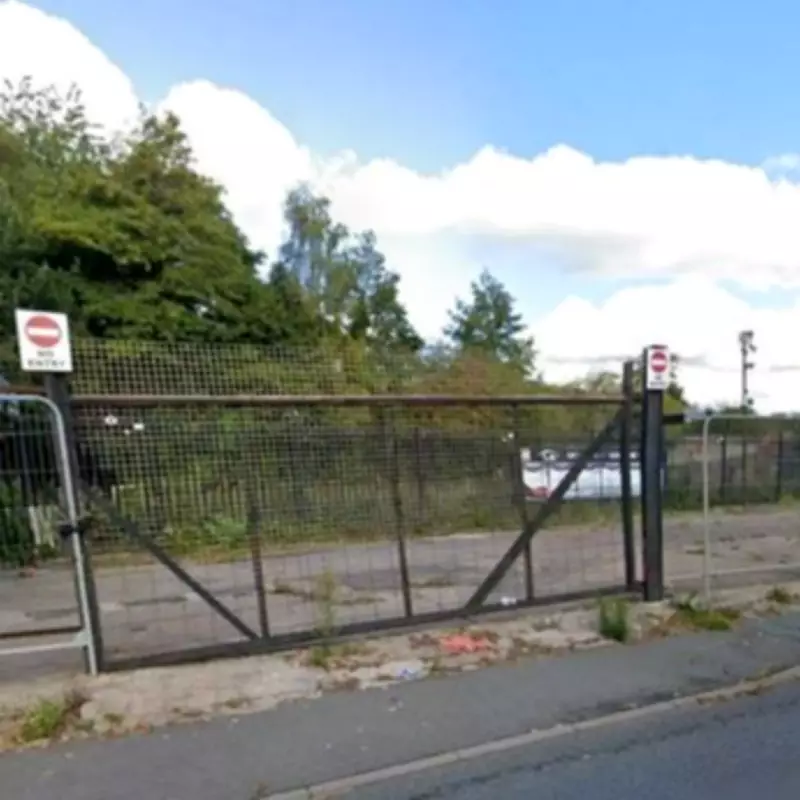
Dudley Council Approves 13 New Homes on Former Car Wash Site by Stourbridge Canal
Dudley Council has granted approval for the construction of 13 new homes on the site of a former hand car wash in Brierley Hill, located next to the Stourbridge Canal. The development will transform a brownfield plot on Leys Road in Brockmoor, following a recommendation from council officers to approve the scheme.
Details of the Development
The new homes will include a variety of dwelling types, ranging from one-bedroom semi-detached houses to a three-bedroom detached property. This mix aims to provide diverse housing options in the area. The site was previously used by LA Motors for car valeting, but the company has consolidated its operations at its Stourbridge base, making the location surplus to requirements.
In a statement supporting the application, CJZ Design highlighted that this proposal offers an opportunity to regenerate a redundant brownfield site in a sustainable and deliverable manner. This aligns with broader efforts to repurpose underused industrial land for residential purposes.

Environmental and Safety Concerns
Planning officers raised significant concerns about the site's historical industrial use, which included operations as a fuel storage and distribution hub, followed by more recent commercial activities like the car wash. The Authority's Contaminated Land Team noted that the area may have ground contamination issues, requiring thorough investigation.
Additionally, the surrounding area contains other potentially contaminative uses, such as industrial premises and a historic landfill within 250 meters to the northwest. These factors necessitate careful assessment to ensure the site is safe for residential development.
Proximity to the Stourbridge Canal
The development's location next to the Stourbridge Canal introduced further considerations. The Canal and River Trust expressed concerns in their report, warning that construction operations could affect the stability of the retaining wall structure along the site boundary and potentially damage adjacent canal infrastructure.
Specifically, a culvert for the lock bywash is situated close to the retaining wall, making it vulnerable to damage if the wall's stability is compromised during construction. This highlights the need for meticulous planning to protect the canal's integrity.
Conditions for Approval
In response to these concerns, planners attached strict conditions to the approval. No building work can commence until comprehensive site surveys for contamination are completed, and any necessary cleanup measures are implemented. Furthermore, a detailed construction method statement must be approved to ensure that heavy plant and machinery operations do not jeopardize the canal's stability or infrastructure.
These safeguards are designed to mitigate risks and ensure the development proceeds safely, balancing the need for new housing with environmental and structural protections. The approval marks a step forward in revitalizing the area while addressing potential challenges from its industrial past and canal-side setting.