Dudley Council Approves 4.8% Rent Hike for Council House Tenants
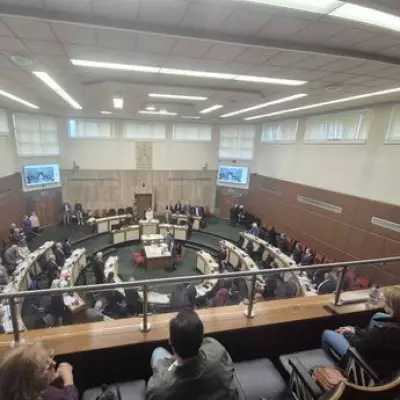
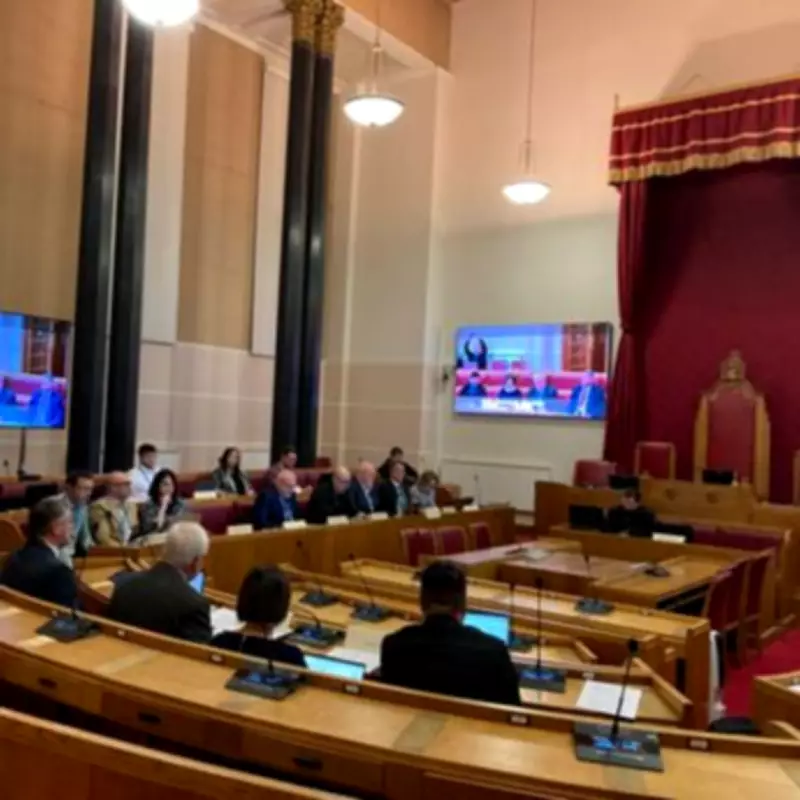
The cabinet of Dudley Council has officially approved a significant rent increase of 4.8% for its council house tenants, a decision that has ignited considerable political controversy and debate over the quality of scrutiny and the tangible benefits for residents. This move was ratified during a cabinet meeting on February 11, as part of the broader £110 million Housing Revenue Account (HRA) for the upcoming financial year starting in April.
Political Clashes Over Scrutiny and Tenant Benefits
During the meeting, Dudley Labour leader, Councillor Adam Aston, voiced strong opposition to the rent hike, stating that the Labour group was unable to support a report demanding an almost five percent increase from tenants. He emphasized that the experiences of tenants, who are also constituents, do not align with the positive narrative presented by the council regarding life as a Dudley Council tenant.
In response, Dudley's Conservative leaders attributed the rent increase to a long-term rent strategy mandated by the Labour government, which requires maximum allowable increases annually. They argued that failing to implement these hikes would impose additional financial pressures in future years. Notably, they highlighted that 76% of tenants receive financial support for housing costs, and many will benefit from reduced service charges starting in April.

Criticism of Scrutiny Processes
Council leader Councillor Patrick Harley launched a pointed attack on Labour's role in scrutinizing the HRA in previous months, describing the quality of scrutiny as poor. He likened it to a failure to engage meaningfully, stating that no relevant or detailed questions had been raised until the last minute, which undermined effective oversight.
Councillor Aston expressed concerns about underspends from prior budgets being carried over into the new HRA, amounts he noted were unusually high. He suggested that such underspends might indicate deeper issues, such as poor project management, unrealistic timelines, or a lack of delivery capacity, ultimately meaning residents do not see the benefits of funds that never materialize into services or infrastructure.
Explanations and Future Financial Plans
In defense, Councillor Phil Atkins, Dudley cabinet member for development and regulation, explained that a third of the HRA underspend resulted from increased efficiencies and reduced borrowing. He clarified that this reduction in borrowing costs does not impact spending on properties but rather services debt, with plans to continue decreasing borrowing in the coming year rather than cutting expenditures.
The housing budget remains ring-fenced, and a full council meeting scheduled for February 23 will vote on the general fund budget and medium-term financial plan, further shaping the council's fiscal strategy amidst ongoing debates over tenant welfare and administrative accountability.