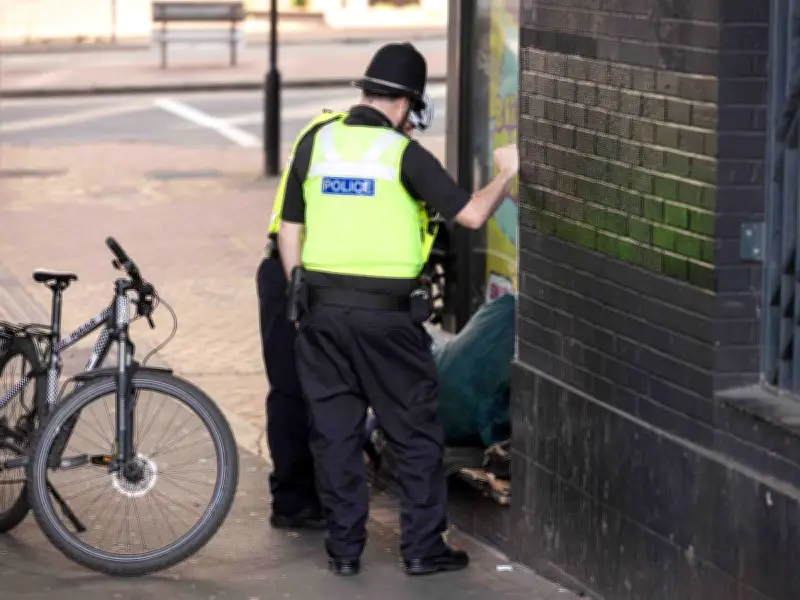
The 1824 Vagrancy Act, which criminalised begging and rough sleeping in England and Wales for more than 200 years, will be repealed on Monday 29 June, decriminalising rough sleeping in Birmingham and across the UK. The government announced the change, stating that the act had punished people simply for having no home and pushed vulnerable individuals away from support services.
Impact on Birmingham's Rough Sleepers
In the most recent annual single-night snapshot, 68 individuals were recorded as sleeping rough in Birmingham. This data, published by the West Midlands Combined Authority, shows a steady upward trend from previous years but remains below the city's historical peak of 91 rough sleepers in 2018. However, the counts have faced criticism for not capturing the full picture, as some rough sleepers may find shelter for that one night, and women often avoid sleeping visibly to prevent gender-based violence, choosing to walk the streets all night or stay in 24-hour venues. Others, like Nigel, who was living inside a clothing bank in Erdington in 2024, may be hidden from counters.
Government's Stance and New Approach
Housing Secretary Steve Reed said: “Homeless people are not criminals, they are people who need help. By repealing the outdated Vagrancy Act, we are shifting from punishment to prevention, alongside our investment to tackle homelessness for good.” Homelessness minister Alison McGovern added: “Repealing the Vagrancy Act is a long-overdue step that reflects a modern understanding of homelessness. We are turning our backs on a centuries old approach and instead focusing our attention on what works through providing support, preventing homelessness, and helping people rebuild their lives. Our Plan to End Homelessness will drive that change, helping more people off the streets and into the security of a permanent home.”

National Plan to End Homelessness
The National Plan to End Homelessness includes a £159 million grant for supported housing, targeting 40 local areas with the greatest need and helping over 2,500 people across England off the streets and into more stable housing. It sets clear targets for halving the number who become homeless on their first night out of prison and ensuring no eligible person is discharged to the street after a hospital stay. The upcoming Social Housing Bill will strengthen protections for victims of domestic abuse in social housing, as research shows nearly 70% of women experiencing rough sleeping in 2025 had experienced domestic abuse since the age of 16. A £37 million Ending Homelessness in Communities Fund supports voluntary, community and faith groups, while a £15 million Long-Term Rough Sleeping Innovation Programme targets 28 areas facing the greatest long-term rough sleeping pressures. The government is also boosting the supply of good-quality temporary accommodation backed by £950 million and reducing the use of B&Bs. Wider measures include abolishing Section 21 ‘no fault’ evictions through the Renters Rights Act and investing £39 billion to deliver the biggest boost to social and affordable housing in a generation.
Charity Response
Chief Executive of Crisis Matt Downie said: “This is a watershed moment which marks the end of a deeply cruel policy of criminalising people because they are homeless. For more than 200 years, the Vagrancy Act has punished people who have been forced to sleep on the streets. This has pushed people in already vulnerable situations away from support services and into the shadows for fear of being penalised. Now, after decades of charities campaigning alongside politicians, law enforcement and people with lived experience of homelessness, we can come together to celebrate the end of this archaic law. We commend the UK Government for standing up for what’s right and getting rid of a great injustice. We hope this sends a powerful message about the kind of society we want: one where people experiencing homelessness are not persecuted but supported to rebuild their lives and fulfil their potential.”