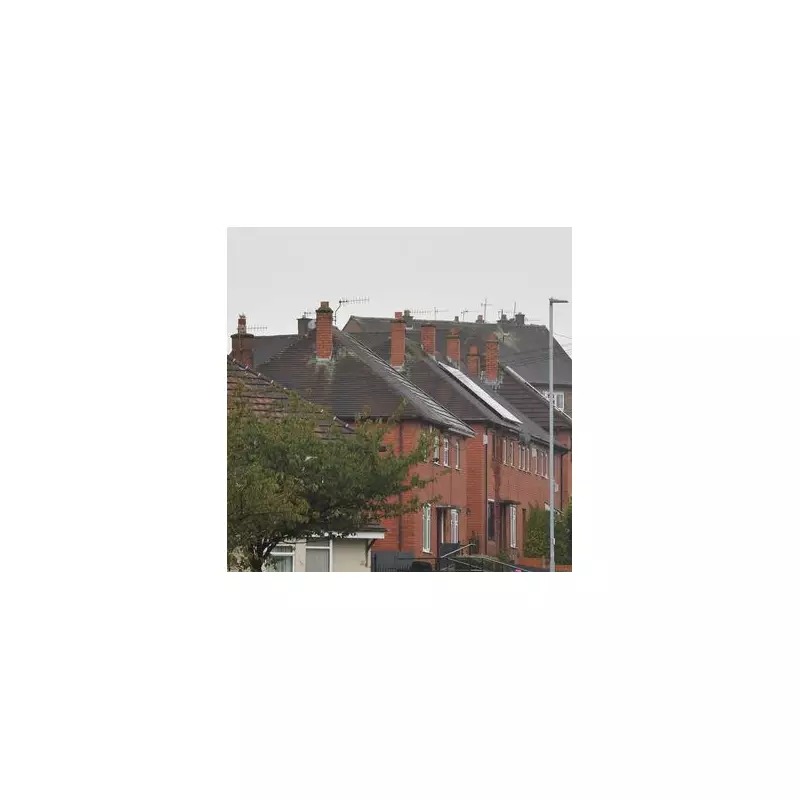
Thousands of council tenants in Stoke-on-Trent are facing a significant increase in their housing costs from next spring.
Proposed Rent Hike Details
Stoke-on-Trent City Council has put forward plans to raise rents for its council housing and garage facilities by 4.8 per cent for the 2026/27 financial year. The change, set to begin in April 2026, will affect approximately 17,000 tenants across the city.
For the average household, this policy translates to an extra £4.29 per week in rent. The council states the increase aligns with current government policy, which allows local authorities to raise rents by up to the Consumer Price Index (CPI) inflation rate from the previous September, plus an additional one per cent.

Financial Pressures and Service Impact
A council report warns that implementing any increase lower than the maximum permitted could harm the Housing Revenue Account (HRA). This dedicated fund pays for vital services related to council homes.
The report clearly states that a smaller rent rise would force the council to consider cutting back on essential work. This could include reductions in:
- Day-to-day repairs for tenants.
- Standards for preparing empty properties (voids) for new occupants.
- Major investment programmes to modernise and maintain existing homes.
- Projects to improve energy efficiency, making homes warmer and cheaper to heat.
- Community regeneration efforts and building new social housing in the city.
Further Changes with Rent Convergence
Cabinet members are also being asked to approve the return of 'rent convergence' once the government provides final details later this month. This policy, previously in effect between 2002 and 2015, aims to standardise rents across social housing.
It will lead to additional increases for properties currently charged below their 'formula rent'. This affects a substantial majority of the council's stock – 15,003 dwellings. The government argues convergence will generate more funding for social housing overall.
According to council documents, applying a convergence rate of £1 per week would bring 83 per cent of homes to the formula rent by 2036, potentially adding £37 million to the HRA.
Support for Tenants in Financial Difficulty
Alongside the proposed increases, the council plans to extend its £50,000 Financial Independence Fund for another year. This scheme assists council tenants experiencing severe financial hardship, helping them to avoid eviction and sustain their tenancies through crises or short-term difficulties.
In his report, Councillor Chris Robinson, the cabinet member for housing, acknowledged the cost pressures facing residents. He stated the council's rent settlement aims to protect the most vulnerable by building on government support schemes and offering "creative solutions" through the Financial Independence scheme.
The final decision on the rent increase will be made by the council's cabinet in the coming weeks.