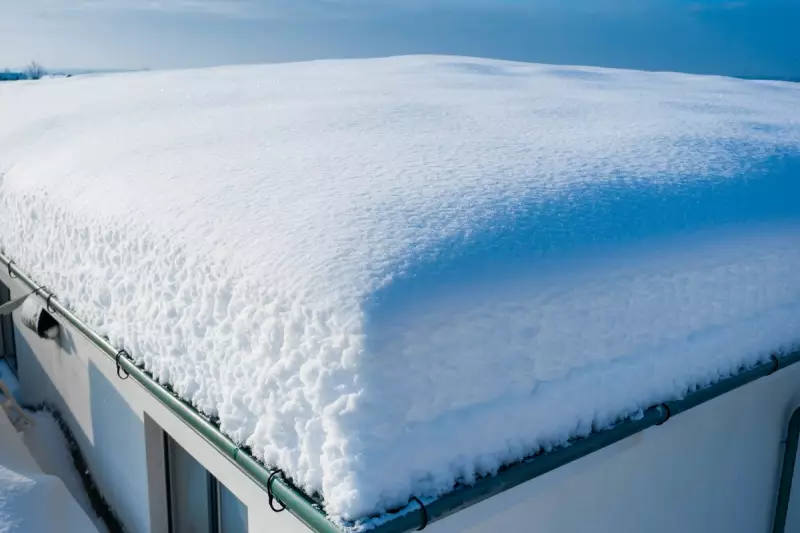
Homeowners across the UK are being urged to take immediate action as Storm Goretti brings a dangerous combination of heavy snow, high winds, and fluctuating temperatures, creating a severe risk to flat roofing structures.
The 'Triple Threat' Facing Flat Roofs
Roofing specialists have issued stark warnings about a unique high-risk 'triple threat' scenario unfolding as the storm moves across the country. The peril stems from the simultaneous impact of rapidly accumulating snow, 90mph winds, and cycles of freezing and thawing. This combination places immense, uneven strain on flat roofs, threatening both their structural integrity and waterproofing.
Lee Moore, specialist products manager at PermaRoof UK, emphasised the severity: "Snow load is one of the most underestimated and dangerous threats flat roofs face." With the Met Office issuing amber and yellow warnings for England and Wales on 8th January 2026, forecasted accumulations of up to 30cm of snow in the Midlands, Wales, Yorkshire, and southern England could push many roofs beyond their design limits.

How Snow Transforms into a Structural Hazard
The danger escalates as conditions change. Initially heavy snow can compact, increasing its weight on the roof deck. The real crisis often begins during a thaw. "As temperatures fluctuate, it becomes standing water, dramatically increasing the weight load on the structure," Moore explained. He highlighted a critical fact: one cubic metre of water weighs a tonne. If drainage systems are blocked by snow or ice, this enormous weight can linger for days.
This process can expose vulnerabilities in even trusted systems like EPDM rubber roofing. The freeze-thaw cycle is particularly damaging, as water seeps into small cracks, refreezes, expands, and worsens faults. Key risks identified by experts include:
- Excess structural load from compacted snow.
- Deflection and sagging of the roof deck.
- Blocked drainage outlets leading to pooling water.
- Freeze-thaw damage exploiting existing weaknesses.
Essential Safety Advice for Homeowners
Experts stress that precautionary steps must be taken safely, without risking personal injury. Climbing onto a roof during icy conditions is extremely dangerous and should never be attempted. Instead, homeowners are advised to:
- Monitor snow build-up visually from the ground.
- Ensure drains, gutters, and outlets are clear before deep freeze.
- Watch for interior warning signs like sagging ceilings, new cracks, or sticking doors.
- Act quickly if any leaks appear, as small drips can signal trapped meltwater.
"Awareness and preventative checks can avoid serious structural issues and costly repairs once the thaw begins," added Moore, whose company has over 25 years of experience. He concluded with a crucial reminder: "Your roof is your home’s first line of defence... If you’re unsure about your roof’s condition, expert advice now could save thousands later."