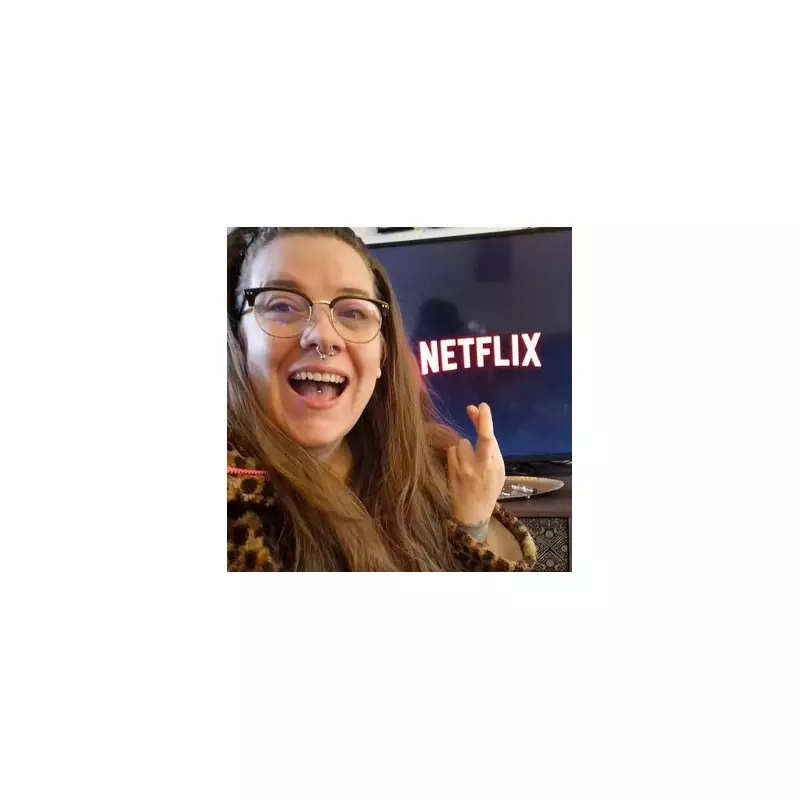
Like many fans, I felt a profound sense of loss after watching the final episode of Stranger Things on New Year's Eve morning. That familiar void left by a beloved story ending – akin to saying goodbye to Tony Soprano or the world of Westeros – settled in. My reluctance to leave Hawkins and its myriad dimensions led me not only to rewatch the series from the beginning but also down a rabbit hole of online fan speculation: the Conformity Gate Theory.
The Allure of the 'Conformity Gate' Theory
For the uninitiated, this is a detailed fan conspiracy suggesting a secret final episode was due for release on January 7, 2026. Promoted by persuasive TikTok creators, the theory points to specific, tantalising clues within the show's last season. Proponents highlight the inexplicable colour change of the power generator dial at WSQK from black to red, arguing it signals viewers are trapped in a Vecna-induced illusion rather than witnessing reality.
While such details could be dismissed as simple continuity errors, the fact that Holly explicitly points out a similar roundabout colour shift while escaping Vecna's mind gives the idea unexpected weight. Other 'evidence' includes the prominent placement of 'WHATZIT' board games in the epilogue and a final shot of Dungeons and Dragons books seemingly spelling 'X A LIE', interpreted as proof the Dimension X narrative is a fabrication by Henry Creel.

Some connections feel more tenuous, involving actors' hand gestures or numerical codes derived from dice. Yet, I found myself scouring Netflix's homepage and social media for any hint of a surprise episode, desperately clinging to the hope that the story wasn't truly over.
From Screen Nostalgia to Birmingham Reality
This deep dive into 'what could be' prompted reflection on what I cherished about Stranger Things in the first place. For me, the show's magic lies in its potent nostalgia: kids on bikes, playing outside, solving mysteries through in-person collaboration without the crutch of Google. They couldn't AI-generate mall blueprints or text for a lift from a parallel dimension.
I realised my yearning was for that very essence: authentic, real-world interaction and shared adventure. In our complex, stimulus-saturated world of 2026, with its constant barrage of information, there's little room for boredom, imagination, or simple, unplanned play.
Inspired to recapture that Hawkins spirit, I began seeking out ways to connect within my own city. Birmingham, it turns out, is full of opportunities to step away from screens and into communal creativity.
Finding Community in the Second City
My search revealed a vibrant scene for analogue adventures. There are Dungeons and Dragons meet-ups at Cherry Reds on Tuesday nights and a Role Players Guild that convenes at Hennesseys on Thursdays. For a deeper immersion, Waylands Forge in Digbeth offers a complete escape into collaboratively built worlds.
The city fosters inclusive spaces too, like the Birmingham Gaymers group, which provides a safe monthly meet-up for LGBTQ+ gamers to build community. For fans of social deduction games, Sliced and Diced in Selly Oak hosts 'Blood on the Clocktower' nights, while Chance and Counters in Digbeth offers a vast library of board games.
Most simply, I took a page from the show's iconic opening sequence and went for an aimless bike ride with a friend around the Arrow Country Park, with no goal other than to return before dark. It was a small, but meaningful, reclamation of unstructured time.
I might still refresh Netflix occasionally, just in case The Duffer Brothers have one last surprise. But if the finale truly has aired, the experience has taught me a valuable lesson. We may have said goodbye to Hawkins, but we still have Birmingham – and the endless possibility of connection it holds. And, of course, there's always season one, episode one.