By John Dempsey
The world is in motion at this time of year, as migration brings bird and insect species northward, some covering incredibly long distances carried by favourable winds and weather conditions. The catch, of course, is that in spring when oddities appear, they do not hang around for long. If you get blown off course at a time when breeding is uppermost in your motivations, it can be a confusing experience. If there is no sign of a prospective mate, it is time to move on again.
This happened recently when regular visitor Michael Binns heard the unmistakable musical notes of a Nightingale emanating from deep cover on Ainsdale and Birkdale Local Nature Reserve. For a few hours at least, singing Natterjack Toads had to relinquish the local nickname of "the Birkdale Nightingale" as the real deal showed up.

This was a momentous discovery, as the last Nightingale in the Lancashire recording area that people could visit and hear was in 1984, a bird that sang for two summers on the border of Ainsdale Local Nature Reserve and Ainsdale National Nature Reserve. (There was a further bird trapped, ringed, and safely released at a private site in 1991, but that had no public access.)
For most naturalists below a certain age, the dulcet tones of a Nightingale drifting across the dunes a fortnight ago was the first opportunity to encounter this enigmatic species in the north-west. For others of us, it made 1983 feel a long, long time ago. The world has changed since the 1980s, with information on this year's bird down to specific grid references quickly published on national bird information apps by enthusiasts, so a large crowd was anticipated.
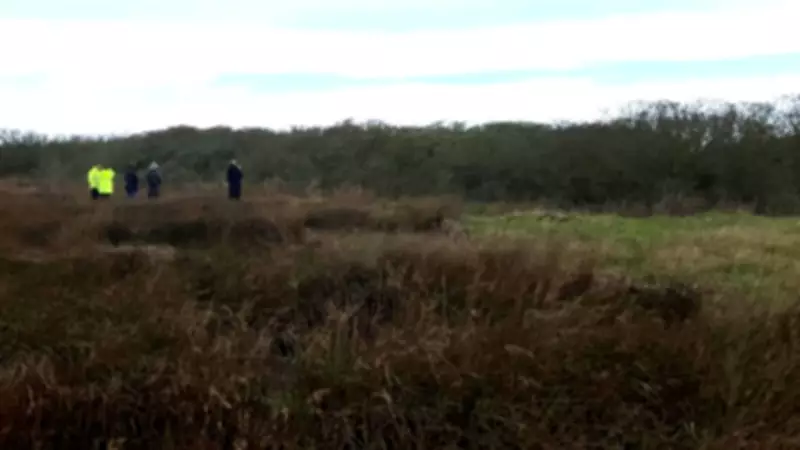
Green Sefton had to ensure that potentially large numbers of visitors could come to the reserve, which has open public access, without disturbing other protected species including Natterjack Toads and Skylarks nearby. Fortunately, the Nightingale chose a dense area of Sea Buckthorn hemmed in by deep channels on the fresh marsh south of Weld Road to sing from. This meant that observers (or rather listeners) could stand on well-used paths nearby to hear the bird without causing any disturbance. A skulking species at the best of times, it never really showed itself, but enthralled all with its song from deep cover.
Steward rangers from Green Sefton monitored the "twitch" to ensure visitors adhered to guidance and that the bird and habitat experienced no disturbance. Thanks to Michael Binns for waiting for the Green Sefton team to arrive before he continued his walk, allowing us to ensure the correct area was monitored, and thanks to everyone who visited and observed well-publicised guidance.
A steady stream of well-behaved birdwatchers came from across the north-west to savour the notes of the Nightingale before it moved on. It sang intermittently from late morning to late afternoon on Friday, April 17. As a declining species nationwide, while the performance of its beautiful song was only fleeting, the sound of its liquid notes and vocal range will linger long in the memory of those fortunate enough to hear it before it moved on, an "overshooting" migratory bird well to the north of where it should be.
John works for Green Sefton, the Sefton Council service which brings together the Coast and Countryside, Parks and Greenspaces, and Grounds Maintenance teams for a joined-up approach to the vital management, development, and oversight of Sefton's beautiful coastline, parks, and green spaces. This column looks at the flora, fauna, and history of the coastline, and the work that is carried out to protect it.