The Cairngorms National Park has implemented a new barbecue ban that will remain in effect until September 30, with two million visitors warned about the risks. Anyone caught breaking the byelaw could face an on-the-spot fine of up to £500.
Barbecue Ban Details
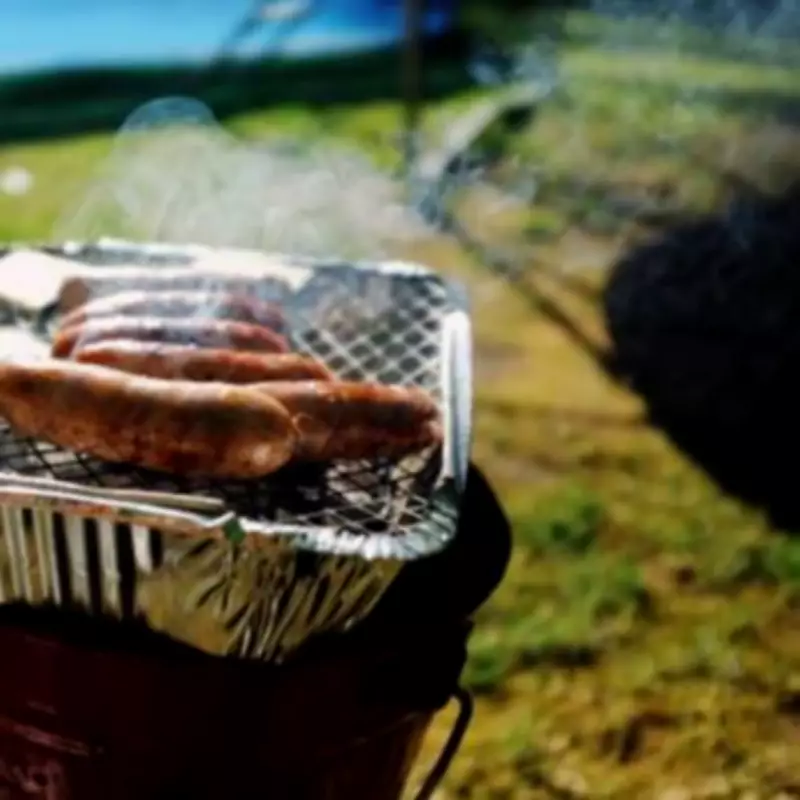
From April 1 to September 30 each year, lighting fires or using barbecues is prohibited within the National Park under a fire management byelaw. The measure aims to reduce the risk of wildfires, which can cause significant damage to people, property, and nature.
Official Statements
Area Commander Robert Lennox from the Scottish Fire and Rescue Service said: “Wildfires pose a real risk to people, properties and nature. Each wildfire we respond to can have a significant impact on our resources and these incidents are often in remote locations, which take time to reach. This byelaw is an important new tool to tackle wildfire risk and safeguard the National Park.”

Sandy Bremner, convener at the Cairngorms National Park Authority, added: “We want people to keep enjoying all that the National Park offers but we also need everyone to help protect it. We know it only takes one rogue spark to start a wildfire and when there is so much to lose, we cannot take that risk.”
Safety Advice
The council advises: “Do not light fires or barbecues in the National Park. If you need to cook, use a camping stove as these are a much safer alternative.” Visitors are urged to call 999 if they see a fire, and to report suspicious or irresponsible behavior, including lighting campfires, to Police Scotland on 101 or Scotland Crimestoppers on 0800 555 111.
“Always follow advice from rangers, site staff and local signs. Pay attention to the Scottish Fire and Rescue Service fire alerts and, particularly at times of high fire risk, take extra care with stoves.”
In winter, the Scottish Outdoor Access Code states that campfires should never be lit in woods, on peaty ground, farmland, cultural heritage sites, near buildings, or when there is a high fire risk. Even outside the fire byelaw period, there is almost nowhere in the National Park where lighting a fire would be responsible. The authority asks visitors to help set a good example by not lighting campfires anywhere, anytime.