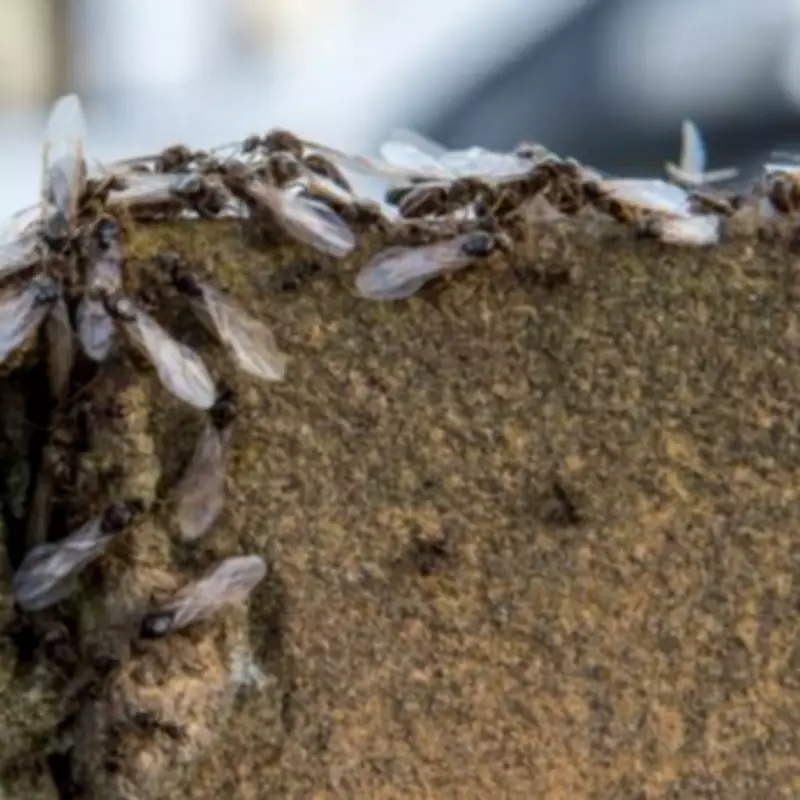
Flying Ant Day has been brought forward for 2026, with the exact date now announced. The annual phenomenon will take place earlier this year, owing to the record-breaking end-of-May heatwave.
Best Ants UK has warned that the event will likely "come earlier and be more intense than before." The company, which monitors ant activity, describes it as a "fascinating natural phenomenon."
What Is Flying Ant Day?
Flying Ant Day involves the black garden ant (Lasius niger). According to Best Ants UK, "Our data from the last 24 years shows 90% of nuptial flights happened in July, but as experts in myrmecology (the study of ants) now predict, the peak for 2026 will hit between July 20 and 25."

The Natural History Museum notes that this annual swarming event usually occurs in August and typically "coincides with a period of hot and humid weather." Winged ants appear at different times around the country, and local weather conditions are critical for coordinating swarming activity.
Urban vs. Rural Swarming
Ants tend to fly earlier in urban areas than rural areas, probably because temperatures are generally warmer in urban environments. This is known as the urban heat island effect, according to the Natural History Museum.
Best Ants UK added: "The UK's flying ant season stands out as a captivating event in the field of entomology. These tiny flying insects show up on Met Office radar systems because they're about the size of raindrops. Weather radar has even picked up swarms stretching more than a mile wide."
Weather Forecast for Early June
In the short term, the BBC Weather forecast said: "The first week of June should become unsettled as the strong high pressure block that brought such high temperatures declines, allowing a series of Atlantic low pressure and frontal systems to move near or across the UK. This will bring periods of wet and windy weather, with some heavy rain or showers possible at times, and rainfall is likely to be above-average for the time of year. However, the north-west might see the brunt of the rain, with the south-east less wet."