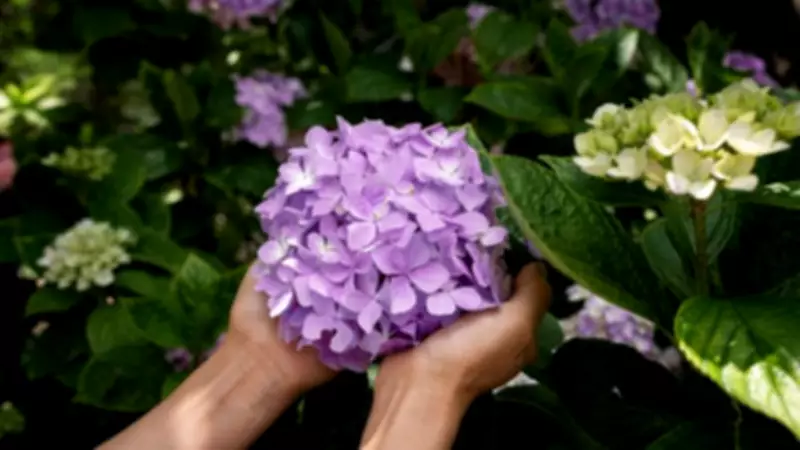
Hydrangeas have long been a favourite in British gardens, blooming from July through to October and loving our cool, damp climate. Planted in dappled shade and kept well watered, they don't need much attention to look amazing.
But there's the rub; our climate is changing – hydrangeas like cloudy skies and even a bit of rain, but blazing sun can scorch the leaves and wilt the flowers. They are thirsty plants and hate drying out, in fact their name comes from the Greek word for water vessel. As summers get hotter and drier, these moisture-loving shrubs are struggling. Gardeners are being urged to consider more drought-tolerant plants and we've found three colourful, low maintenance alternatives that need significantly less water.
Warning Signs
Wilting: The leaves and big flowerheads will suddenly droop, hanging completely limp, and may not recover by the following morning.

Scorching: The tips and edges of the leaves will turn brown, dry and crunchy where the sun has scorched them.
Bleaching: Colourful blooms will start to look washed out, turn papery and dry up prematurely instead of fading gracefully into autumn colours.
Yellowing: If the heat is combined with too much direct, intense sunlight, the leaves may turn yellow and eventually drop off as the plant tries to save energy.
Alternative Plants
1. Californian lilac (Ceanothus)
This popular evergreen shrub provides a vibrant explosion of blue flowers in late spring. It thrives best in a sunny, sheltered spot with well-drained soil and is perfect for planting against a warm garden wall. While generally easy to care for and drought-tolerant once established, it dislikes harsh winter winds and can be short-lived if pruned too heavily. For maximum impact, compact varieties like 'Blue Mound' or 'Concha' are ideal for adding a dramatic burst of colour to borders.
2. Russian sage (Salvia yangii)
This tough, drought-tolerant perennial brings a airy haze of lavender-blue colour to gardens from mid-summer through to autumn. With silver-grey stems and aromatic foliage, it thrives in the sunniest, driest spots in well-drained poor soil. To keep it looking its best, it simply needs a hard prune down to its woody base in early spring to encourage vigorous new flowering stems. 'Blue Spire' grows to around 1.2m and is reliable and tough, while 'Little Spire' is a more compact variety.
3. Lavender (Lavandula)
A fragrant favourite with silver-green foliage and nectar-rich purple flowers that attract bees all summer. It thrives best in full sun and well-drained, poor soil and is incredibly drought-tolerant once it settles in. To keep it from becoming woody and leggy, it needs a light trim immediately after flowering in late summer, cutting back spent blooms and a little of the green growth. 'Hidcote' is a compact, hardy evergreen with deep violet-blue flowers that hold their colour, while 'Grosso' provides that strong, classic lavender scent.