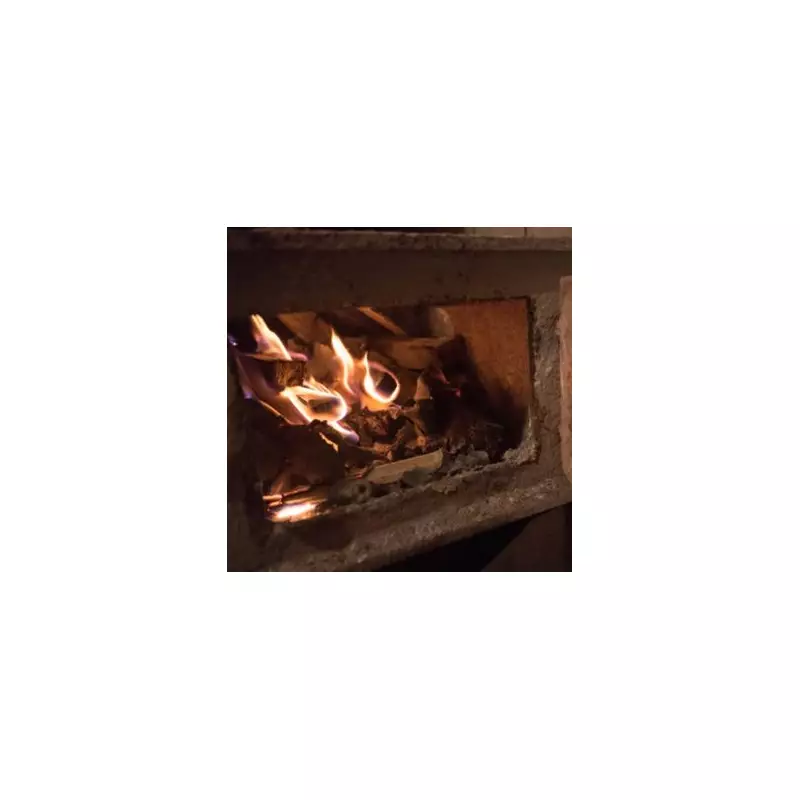
Households in England using wood-burning stoves are being warned they could face on-the-spot fines for breaking clean air regulations this winter.
Understanding Smoke Control Areas and Fines
The rules centre on smoke control areas, which are legally defined zones where emitting smoke from a chimney is prohibited. If you break this rule, local authorities have the power to issue a financial penalty of between £175 and £300.
You must not buy or use an unauthorised fuel in a smoke control area unless it is for use in an officially exempt appliance. Breaking this specific rule carries a heavier potential fine of up to £1,000. For the most serious or repeat cases that end up in court, magistrates can impose fines as high as £5,000.

Current Regulations and Future Changes
According to the Energy Saving Trust, there is currently no blanket ban on wood burners anywhere in the UK. However, the regulatory landscape is evolving. In December 2025, the UK Government published its environmental improvement plan, which includes a consultation on cutting emissions from domestic burning in England.
The precise implications for existing wood burner owners remain unclear, and updates are expected once the consultation concludes. In Scotland, the government permits wood-burning stoves in new homes, although gas and oil boilers are banned as the primary heating system in new builds.
How to Ensure Your Log Burner is Compliant
To avoid fines, stove owners must adhere to several key requirements. All new log burners sold must meet Ecodesign standards to reduce smoke and pollutant emissions; buyers should check with the manufacturer for confirmation.
Under current rules, new stoves cannot emit more than three grams of smoke per hour. If your appliance is on the official list of Defra-exempt appliances (those producing fewer emissions), you can apply for an exemption in a smoke control area. Crucially, you must only use an approved fuel, with the specific type varying depending on your location within the UK.
The message from authorities is clear: ensuring your appliance is exempt and using the correct fuel is essential to stay within the law and avoid substantial penalties.