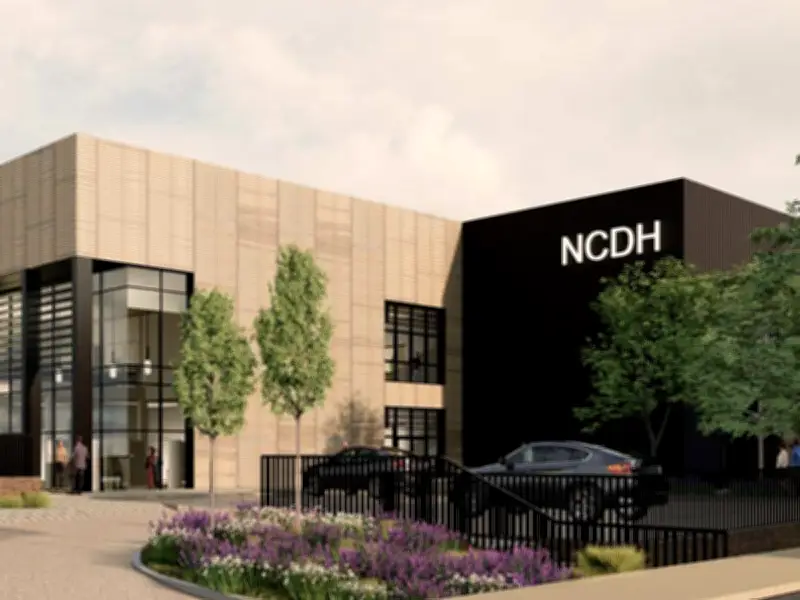
Birmingham is pressing ahead with a major eco-friendly scheme as the country faces a "major energy challenge" in the coming years. The government has committed to achieving net zero by 2050, meaning total greenhouse gas emissions would equal those removed from the atmosphere.
National Centre for Decarbonisation of Heat
Plans are progressing to build the National Centre for the Decarbonisation of Heat (NCDH) at Tyseley Energy Park, creating a "nexus for energy research and training." The city council confirmed the scheme is moving forward but acknowledged "affordability challenges linked to inflation."
In 2022, residential buildings accounted for a fifth of UK greenhouse gas emissions, mainly from burning oil and gas for heating. The government has suggested decarbonising homes through low-carbon heating systems like heat pumps and better insulation.

A planning document highlighted the NCDH's role in tackling the climate crisis: "Decarbonisation of heat is the major energy challenge the UK faces. With the climate crisis, it may be necessary to convert all of Britain’s housing to low-carbon heating and high-spec insulation within the next 20 years, even sooner than net-zero by 2050."
This requires a massive increase in manufacturing heat pumps, new boiler designs, and housing retrofit solutions, along with a skilled workforce. The NCDH aims to develop promising technologies and business models to help Britain catch up.
Project Progress and Challenges
Birmingham City Council and the University of Birmingham are involved in the project, which received around £20 million from the Conservative government's Levelling Up Fund but has not yet started construction. A council spokesperson said: "The NCDH at Tyseley is progressing, with key milestones in place."
The timeline includes: submission to the Levelling Up Fund in 2022, funding confirmed in November 2023, delays due to the 2024 General Election and Spending Review, and the formal grant offer issued in early 2025. Legal agreements are now in place, and preparatory work including design and planning approval is complete.
However, the main construction contract is pending while partners address "affordability challenges linked to inflation-related cost increases." A University of Birmingham spokesperson said they "continue to work closely" with partners on this important project for low-carbon heat transition and clean growth.
The planning application was approved, with an officer noting: "The proposed development has the potential to make a significant contribution towards reducing carbon dependency and tackling climate change in the city and beyond."