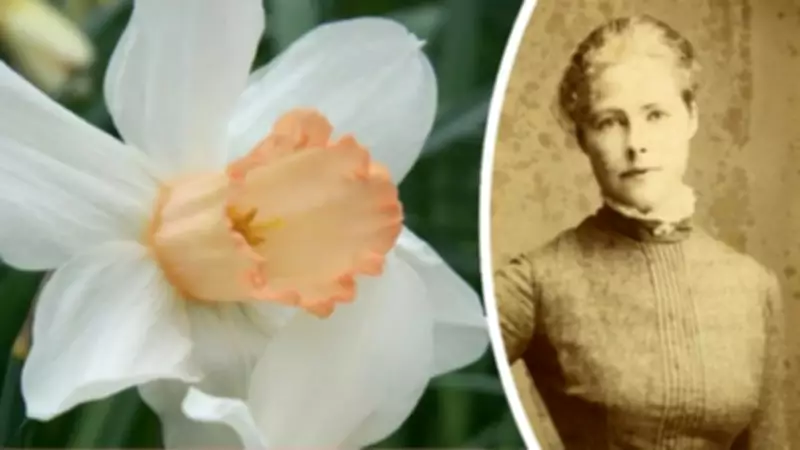
Rare Pink Daffodils Sought by RHS in National Bloom Survey
While poet John Keats famously celebrated golden daffodils "fluttering and dancing in the breeze," these spring blooms are not always yellow or white with a yellow trumpet. The Royal Horticultural Society is calling on gardeners nationwide to watch for rare pink daffodils as part of its Daffodil Diaries initiative.
Recording Spring Blooms Across the UK
The RHS project documents daffodil varieties in gardens and green spaces throughout the country. The 2025 survey garnered nearly 3,000 submissions, spanning from the Isles of Scilly to the Outer Hebrides. Already in 2026, more than 50 sightings have been reported, building on last year's findings that 60% were trumpet daffodils and 56% were all-yellow types, with the classic all-yellow trumpet accounting for over two-fifths (42%) of records.
Only 6% of daffodils featured pink hues, with even fewer green and red varieties observed. This highlights the rarity that the RHS aims to track and preserve.

Mapping Diversity and Pinpointing Rare Varieties
The Daffodil Diaries scheme seeks to map the diversity of daffodils and locate rare specimens. Key varieties of interest include:
- The pink-trumpeted 'Mrs R O Backhouse'
- The white double-flowered 'Mrs William Copeland'
- The orange and yellow double flower 'Sussex Bonfire'
Gardeners who suspect they have these rare daffodils are encouraged to dig them up after flowering. The RHS will then cultivate them at its Wisley research facility in Surrey for expert assessment next spring, as reported by Emily Beament at PA.
Expert Insights on Daffodil Diversity
RHS chief horticulturist Guy Barter emphasized the importance of this effort: "With 30,000 daffodil varieties thought to be available in the UK, telling one from another requires an experienced eye. But this diversity is fundamental to their potential benefit for people and planet and why it's so important we celebrate and preserve them."
He added, "Rare daffodils were spotted across the country and raising them in one location next year will enable us to confirm some of them as the rare varieties we have been searching for and, potentially, find others thought to be in decline."
Focus on Historic 'Mrs R O Backhouse' Daffodil
The charity is particularly keen on potential sightings of the 'Mrs R O Backhouse' daffodil, which boasts a solid coral pink trumpet and ivory petals. Believed to have been developed by pioneering female plant breeder Sara Backhouse and named by her husband after her death in 1921, the RHS aims to reintroduce this flower into widespread cultivation.
Analyzing Bloom Patterns and Climate Impact
Last year's survey revealed daffodils blooming throughout spring, with peak flowering in March. The miniature tete-a-tete variety was exclusively seen in February and March. Moving forward, the RHS plans to analyze data from the diaries to identify shifts in peak flowering times, geographical influences, and changing trends.
RHS principal plant scientist Dr. Kalman Konyves noted, "It will be fascinating to see how this year's weather conditions impact on flowering. Indeed, current mild conditions seem to be encouraging earlier flowering and, over the long term, how the daffodil is weathering the influence of climate change."
Submissions for the Daffodil Diaries are open until June 30, inviting gardeners to map sightings and report rare varieties. This project not only celebrates the beauty of daffodils but also plays a crucial role in botanical conservation and climate research.