Energy Standing Charges Set for Reduction, Delivering £40 Annual Savings to UK Households
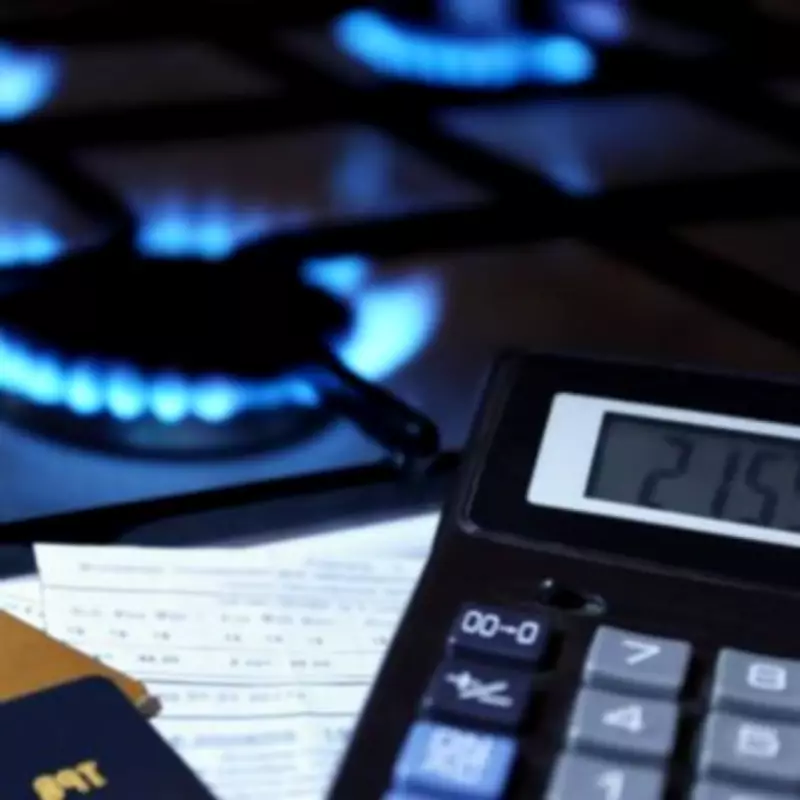
Millions of households across the United Kingdom are poised to benefit from a significant reduction in their energy bills, with standing charges scheduled to fall within weeks. The Labour Party government has officially confirmed plans to cut these fixed costs, resulting in an estimated annual saving of around £40 for families starting April 1, 2026.
Government Announces Fairer Energy System
Labour Party Energy Consumers Minister Martin McCluskey has declared that standing charges will be reduced to create a more equitable energy system. McCluskey emphasized that these charges have been a major concern for many households, particularly those with lower incomes.
"We are acting to make our energy system fairer," McCluskey stated. "We know that standing charges are a big concern for many households, especially those on low incomes. That is why we have taken the decision to bring down these fixed costs, creating a fairer system and delivering savings for households who use less energy."

Consumer Champion Martin Lewis Applauds the Move
Consumer advocate Martin Lewis, renowned for his work on BBC and ITV, has publicly endorsed the government's decision. The 52-year-old financial expert took to social media platform X to express his approval, highlighting that this change represents a step in the right direction.
"Energy Standing Charges finally to fall a little bit," Lewis wrote. "I'm pleased the Government has listened and after consulting, is shifting Warm Home Discount costs off the Standing Charge and onto the unit rate. This is moving in the right direction."
Lewis explained that the reduction should remove roughly £40 annually from the standing charge, split between gas and electricity. He noted that this adjustment aligns with planned unit rate reductions resulting from policy changes, including the cancellation of the ECO scheme and shifting some costs to general taxation.
Addressing Long-Standing Concerns
Martin Lewis has been a vocal critic of the current standing charge structure for years, describing it as a "moral hazard" that discourages lower energy usage and disproportionately affects those who consume minimal energy.
"The current Standing Charge is a moral hazard that disincentivises lower usage and keeps bills high for people who use very little energy," Lewis asserted. "It's the biggest single cause of complaint I get about energy bills, by a mile. Paying £300+ a year simply for the facility of having energy is too much. It also penalises older people who don't use gas in the summer yet still pay for it every day."
While acknowledging that this reduction is only a "baby step," Lewis expressed hope that energy regulator Ofgem will continue this approach in its ongoing consultation regarding the future structure of energy bills.
Implementation and Broader Context
The standing charge reduction will take effect from April 1, 2026, marking a tangible change in how energy costs are distributed. This policy shift involves moving Warm Home Discount costs from the standing charge to the unit rate, alongside other adjustments that contribute to the overall savings.
This announcement comes as part of broader efforts to reform the UK's energy pricing system, addressing widespread public dissatisfaction with fixed charges that many consider unfair, particularly for low-usage households and vulnerable populations.