West Midlands Combined Authority Approves New Five-Year Climate Strategy
Regeneration leaders in the West Midlands have been issued a stark warning that it would constitute a "dereliction of duty" not to fully embrace the region's rapidly expanding green innovation industry. This statement came as the West Midlands Combined Authority (WMCA) Board gave its formal approval to a new Climate Change Five Year Plan, a crucial step towards the long-term objective of achieving carbon neutrality by the year 2041.
Industry Already Leading the Charge
City of Wolverhampton Council leader, Stephen Simkins, addressed the board, acknowledging that climate change skeptics are entitled to their views. However, he emphasized that major industrial players, particularly in the automotive and aeronautics sectors, have already decisively moved into the green technology space.
"The industry has already moved into that space," Councillor Simkins stated. "The investment is coming through there; JLR and all the other major car companies across the globe are moving into electric vehicles." He stressed that it is therefore imperative for the WMCA to ensure the necessary skills and opportunities are in place to train the engineers of the future.

Focus of the New Five-Year Plan
The newly ratified plan for 2026-2031 is designed to build upon the foundational work initiated by local authorities in the first plan agreed upon in 2021. The strategy will concentrate on six key priority areas:
- Energy infrastructure planning and development.
- Providing targeted advice to residents and businesses on adopting new, sustainable products.
- Fostering green jobs and strengthening related supply chains.
Wolverhampton's Green Innovation Corridor
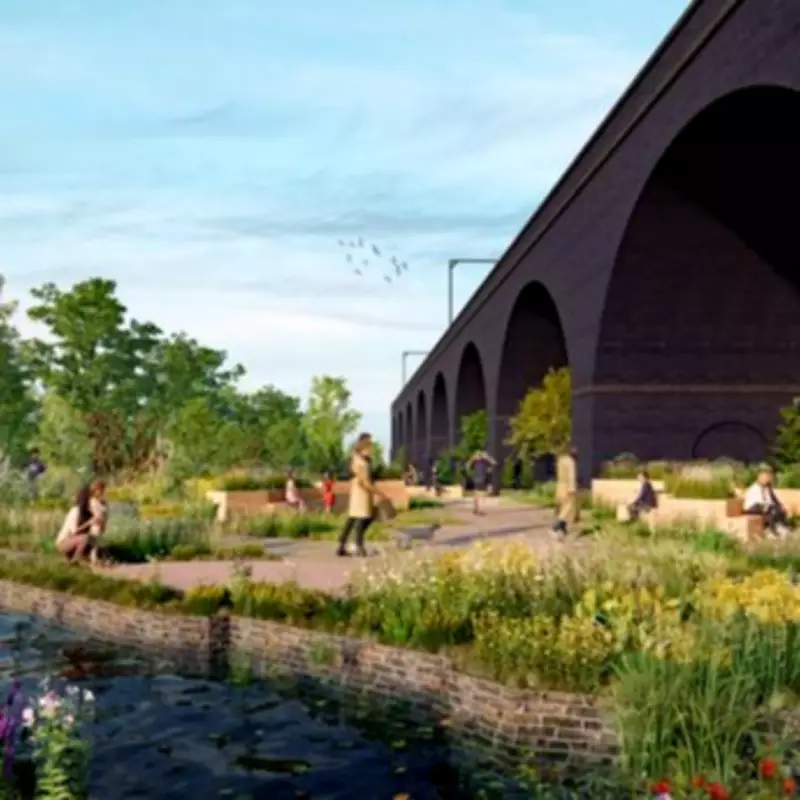
A flagship example of this commitment is the development of the Green Innovation Corridor in Wolverhampton. This ambitious project aims to attract hundreds of millions of pounds in investment and is projected to create over 1,000 new jobs, positioning the city at the forefront of the green economy.
Councillor Simkins highlighted the corridor's potential: "We've got the Green Innovation Corridor that's going to come to us very quickly so we can take advantage of that to give people the jobs and skills for the future." He also urged a proactive mindset, questioning "Is there a green solution for potholes? Is there some new materials we could use?" and encouraged stakeholders not to be negative about the emerging opportunities.
In his concluding remarks, he reinforced the core message: "You're entitled to your beliefs... but it would be a dereliction of our duty not to provide the skills and jobs and opportunities for the future." The approval of this plan marks a significant commitment by the West Midlands Combined Authority to secure a sustainable and prosperous economic future for the region.