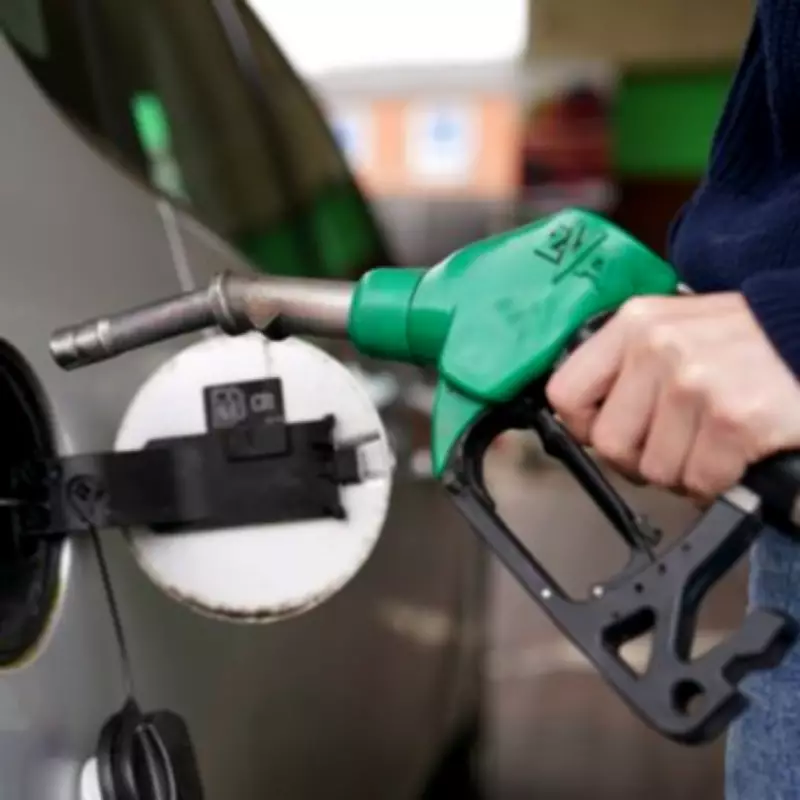
Labour Government Reaffirms 2030 Petrol and Diesel Car Ban Deadline
The United Kingdom is rapidly approaching its 2030 deadline for banning new petrol and diesel cars, with Transport Secretary Heidi Alexander firmly restating the government's commitment to proceed with this landmark environmental policy. In just four years, automotive manufacturers will be prohibited from producing new internal combustion engine models under the stringent Zero Emission Vehicle (ZEV) Mandate regulations scheduled to take effect from 2030.
Political Opposition and Government Response
Conservative MP Greg Smith, representing Mid Buckinghamshire, has publicly urged the government to reconsider the ZEV Mandate rules, arguing that customers "simply do not want EVs". However, Transport Secretary Alexander strongly countered this assertion during recent parliamentary discussions.
Heidi Alexander stated: "I am afraid that is just not true. Compared with 2024, electric vehicle sales increased by nearly a quarter in 2025, and nine in ten drivers who switch would recommend an EV thanks to ease of use and a quieter, smoother driving experience. All the evidence suggests that once people get an electric vehicle, they never look back."

Alexander emphasized that providing certainty about the future direction of automotive manufacturing is crucial for driving investment in the sector. "To drive investment in car manufacturing, this Government must provide some certainty about the direction of travel, and there is no doubt that the future is zero emission. We are working with the industry to deliver a successful transition, which is why we made the adjustments—the new flexibilities—that I announced last April."
The Transport Secretary also revealed that a comprehensive review of the ZEV mandate will commence later this year, conducted in collaboration with devolved governments across the United Kingdom.
Industry Developments and Energy Flexibility Trials
Concurrently with these policy developments, Ohme—the UK's largest home electric vehicle charging company—has distributed more than £750,000 in rewards to EV drivers participating in the groundbreaking Crowdflex energy trials. This extensive domestic energy flexibility study ran from May 2024 until September 2025, investigating how households can enhance electricity grid flexibility by strategically shifting their energy consumption patterns.
David Watson, Ohme CEO, explained: "The Crowdflex energy trials have shown that companies like Ohme can play a crucial role in domestic flexibility by engaging customers and helping to save consumers more than £470 million per year in energy costs by 2036. We've demonstrated that our customers will shift their plug-in behaviour when needed, delivering significant flexible capacity through dynamic automated charging."
Watson emphasized the need for greater coordination between government and energy industry stakeholders to translate trial successes into widespread implementation. "But to move this knowledge on from trial to reality, we need more coordination across the Government and energy industry to give greater value and more rewards to our customers for the full system value that their home EV chargers can offer."
Regulatory Perspective on Energy Transition
Marzia Zafar, Deputy Director of Governance for Data and Digitalisation at Ofgem, highlighted the broader significance of the Crowdflex initiative. "Crowdflex is more than a trial, it's a blueprint for the future of domestic flexibility. By developing real life data driven models that demonstrate how households can reliably support the grid, we're laying the foundation for a smarter, more decentralised energy system."
Zafar concluded that this work is essential for achieving the government's Clean Power by 2030 ambitions while ensuring consumer interests remain central to the energy transition process.