Drivers are being warned they could face a fine of up to £1,000 if their car is found to be producing excessive harmful emissions.
Motor insurance experts at Tiger.co.uk are urging drivers to look out for warning signs that their vehicle may not be complying with UK air pollutant emissions standards. Driving a car with a faulty or tampered emissions control system could result in penalties and an automatic MOT failure.
According to the Road Vehicles (Construction and Use) Regulations, it is an offence to use a vehicle on a public road if it does not comply with the air pollutant emissions standards it was originally designed to meet. Fines can reach £1,000 for a car and £2,500 for a van, lorry, or bus.

Emissions Checks in MOT Tests
Emissions checks form a key part of an MOT test. Vehicles fail if they produce excessive exhaust smoke or if key components such as diesel particulate filters (DPFs) or catalytic converters have been removed or tampered with.
DPFs are designed to capture and store soot from diesel engines to reduce emissions. However, short journeys, missed services, or deliberate removal can cause them to malfunction, increasing pollution levels.
Similarly, removing or altering a catalytic converter, which helps reduce toxic gases from petrol engines, will produce more emissions and likely result in an MOT failure. Catalytic converters can also become less effective over time due to wear and tear, contamination, or underlying engine faults.
Common Warning Signs
Common signs that a vehicle may be emitting more harmful pollutants than it should include an unusual sound coming from the car. For example, a rattling noise coming from underneath the vehicle may indicate a loose exhaust pipe or a failing catalytic converter.
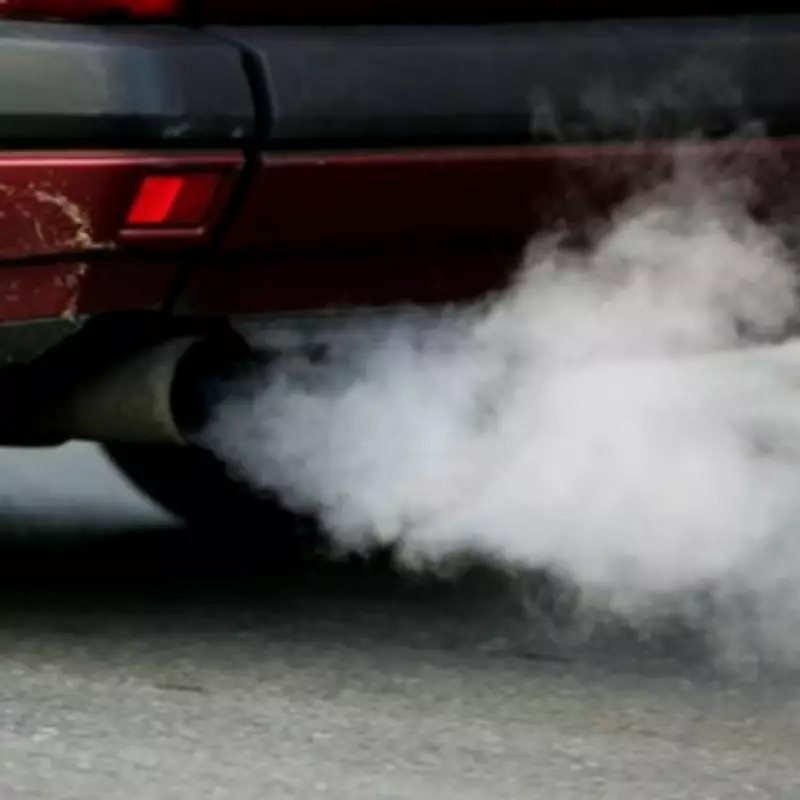
A pungent fuel smell inside or outside the car may suggest that emissions are not being properly filtered before leaving the exhaust. Visible exhaust smoke is another key warning sign. Thick black smoke can mean the fuel mixture is too rich, while blue smoke may indicate oil burning in the engine, both of which could increase harmful emissions.
Ian Wilson, Managing Director and car insurance expert at Tiger.co.uk, said: "Many drivers don't realise vehicles which give off more harmful emissions than they should can lead to MOT failures and hefty fines.
"Components like diesel particulate filters and catalytic converters are there to reduce the amount of harmful pollutants being released into the air, so if they're not working properly or are tampered with, the vehicle may no longer meet legal emissions standards.
"Common signs that a vehicle may be producing excessive harmful pollutants aren't always obvious at first, so we're urging drivers to pay attention to unusual rattling sounds, strong fuel smells, and DPF and engine management warning lights on the dashboard.
"Taking action early not only keeps the vehicle roadworthy and avoids fines, it also reduces harmful air pollution and helps ensure your car insurance remains valid."