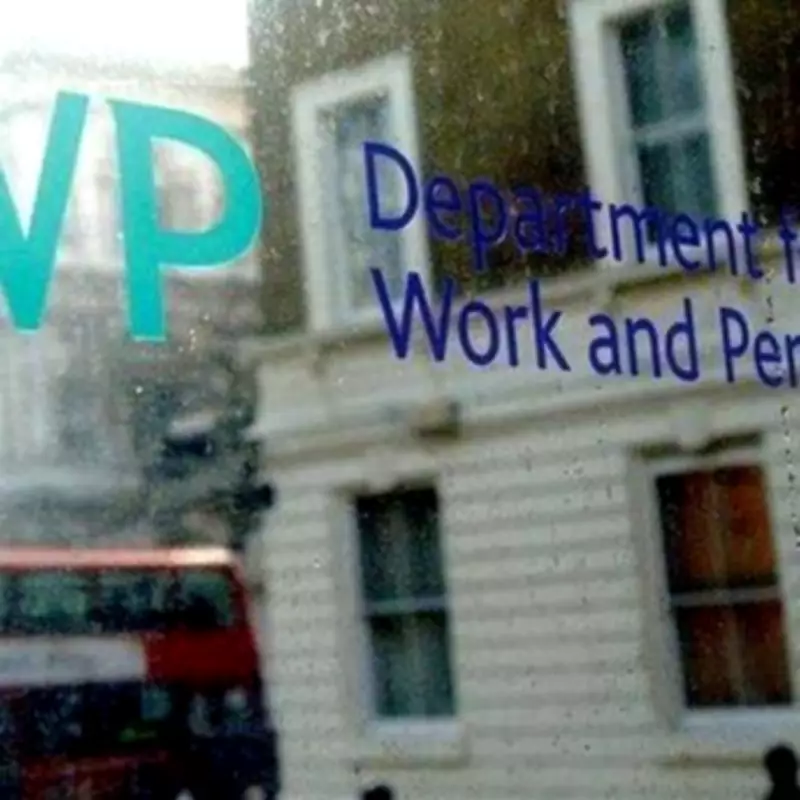
DWP's £850 Million Benefits Blunder Paid to Deceased Claimants
The Department for Work and Pensions (DWP) has made a staggering error, paying out approximately £850 million in benefits to claimants after they had died. This monumental administrative failure has sparked outrage and calls for systemic reform.
Scale of the Mistake
Since 2021, the DWP has committed an estimated 2.6 million payment errors related to deceased individuals. While the specific benefits involved have not been officially confirmed, it is believed the overpayments encompass a range of support, including mental health benefits, out-of-work allowances, state pension payments, and other welfare provisions.
The primary cause appears to be delayed notifications of death. In many cases, DWP staff processed payments either after receiving death notices too late to stop them or precisely at the moment payments were due, leading to these inappropriate disbursements.

Political and Public Reaction
Lee Anderson, Reform UK's spokesman for work and pensions, condemned the situation as "an absolutely appalling scandal" that reveals a deeply broken system. He emphasized that ministers have been aware of the issue for years without implementing effective solutions, accusing both major political parties of mishandling public funds.
Shimeon Lee from the TaxPayers' Alliance campaign group described the department as having "lost its grip on basic administration." He labeled the nearly billion-pound waste as "staggering" and urged the government to simplify the welfare state and standardize eligibility criteria to create a more accurate and streamlined system.
DWP's Response and Recovery Efforts
A DWP spokesman stated that it is departmental policy to recover all debt where it is reasonable and cost-effective. The spokesperson highlighted the "Tell us Once" service, which allows individuals to notify multiple government services of a death in a single step. The DWP asserts that once notified, they act swiftly to update records and ensure benefits are only distributed to eligible recipients.
This incident raises significant questions about the efficiency and oversight within the DWP, with critics arguing that such errors represent a profound failure in safeguarding taxpayer money and administering vital support systems accurately.