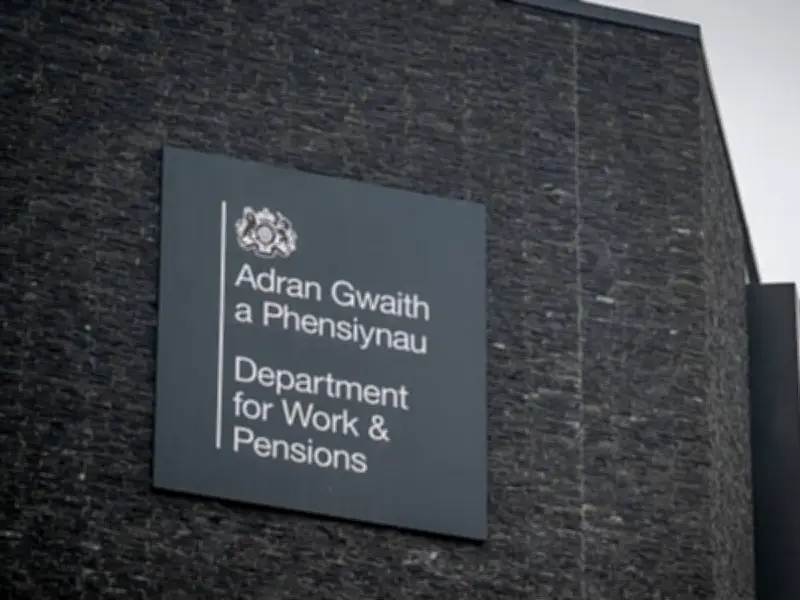
The Department for Work and Pensions (DWP) is set to monitor 18 specific signs of fraud in Universal Credit claimants' bank accounts under enhanced powers granted by the Labour Party government. This move is part of a broader crackdown on error and fraud within the welfare system.
New Eligibility Verification Measures
A new 'eligibility verification' measure included in the Public Authorities (Fraud, Error and Recovery) Bill will require banks and other financial institutions to hand over data to help identify cases where claimants may not be meeting the criteria. Specifically, bank staff must notify the DWP when a claimant's account balance exceeds the capital limits.
Universal Credit recipients are allowed to have up to £16,000 in savings across all accounts. If this threshold is exceeded, entitlement to the benefit stops. The DWP explained: "When we assess your entitlement to Universal Credit, we take into account as capital the value of all money, savings and investments you own, or jointly own with someone else. The amount you (and your partner) have can affect whether you're eligible for Universal Credit, and how much you receive."

The 18 Types of Capital Monitored
The DWP considers all money, savings, and investments held in the UK and abroad. The following 18 types of capital are added up to determine whether someone is below the £16,000 limit:
- Cash
- Money in your bank account
- Current accounts and digital-only accounts such as PayPal
- Savings accounts in a bank, building society, credit union, Help to Save, Post Office and National Savings and Investments (NS&I) accounts
- Savings for children in your name
- Money that belongs to someone else but is in your name
- Savings for essential building work (unless from a grant or loan)
- Savings for medical care
- Individual Savings Accounts (ISAs): cash, stocks and shares, Innovative Finance, Help to Buy, and Lifetime ISAs
- Premium Bonds, dividends, stocks and shares
- Cryptoassets
- Property you own but do not live in yourself (except in certain circumstances)
- Property, land and savings abroad
- Inheritance payments
- Business accounts and assets for businesses that closed over 6 months ago
- Money in trust funds, apart from in certain circumstances
- Unspent benefits, such as Child Benefit, Personal Independence Payment (PIP) and Disability Living Allowance (DLA)
- Unspent income
What Is Not Considered
The DWP added that it does not consider debts or the value of personal possessions when calculating a person's total money, savings, and investments. Claimants also do not need to report the following:
- Life insurance policies that have not been paid out
- Funeral plan contracts
- Savings or investments belonging to your children and in your children's name
- Business accounts and assets for businesses that are still operating or have closed in the last six months
These new powers aim to reduce the estimated billions lost annually to fraud and error in the welfare system, ensuring that only those who meet the strict criteria receive Universal Credit payments.