Decision on Major Jewellery Quarter Development Pushed Back
A crucial decision on a significant redevelopment proposal for Birmingham's historic Jewellery Quarter has been postponed following concerns raised about the potential impact on the suburb's distinctive character. The planning committee voted to defer the application, meaning it will be reconsidered at a future meeting.
Details of the Proposed Scheme
Developers submitted plans to demolish several existing industrial buildings on a site bounded by Hockley Hill, Well Street, Great King Street, and Barr Street. In their place, the proposal outlines the construction of five and six-storey blocks containing 269 apartments alongside commercial space.
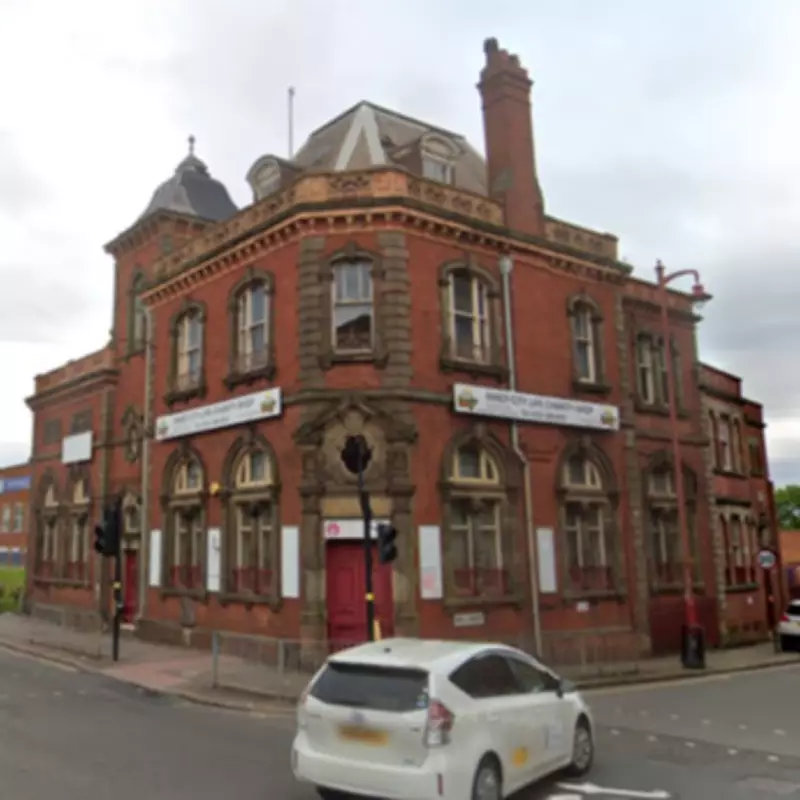
A key feature of the scheme is the retention and incorporation of 175 Hockley Hill, a Grade II listed building located in the southern corner of the site. This historic structure would be converted to serve as the main entrance to the development, featuring shared amenity space and two apartments on the upper floors.

Councillor's Concerns Over Scale and Character
During a recent planning meeting, Councillor Philip Davis expressed strong reservations about the project's scale. He highlighted that the average building height in the Jewellery Quarter is typically four to five storeys, whereas this development proposes structures that are larger.
"I am concerned that the scale of this development is potentially another incremental reduction in the character of the Jewellery Quarter," Coun Davis stated. "Incremental change still changes the nature of the Jewellery Quarter. I would prefer to defer this scheme."
He acknowledged the positive aspect of restoring the listed building but emphasized his worry that the project could contribute to the area's unique character being gradually eroded.
Council Officer's Perspective and Report Findings
A council officer pointed out the "peripheral" location of the site, noting that most of it falls outside the official conservation area. The officer argued that the massing and height of the proposed buildings were appropriate for the location.
A pre-meeting council report outlined a balanced view of the proposal's impacts:
- Benefits identified: Delivery of much-needed housing, restoration of the Grade II listed building at 175 Hockley Hill, re-use of a brownfield site, provision of affordable workspace, and ecological enhancements through landscaping.
- Potential harms noted: Loss of employment land, and the absence of on-site public open space or a financial contribution for off-site provision.
The report gave significant weight to the pressing need for housing in Birmingham, even though the city can currently demonstrate a five-year housing land supply. It noted that 52% of the proposed units would have two or three bedrooms, offering a range of housing options.
Heritage and Final Assessment
On heritage matters, the report stated that the current site detracts from the setting of nearby heritage assets and makes a poor contribution to the character of a key route into the city centre. However, it concluded that the proposed development would represent a vast architectural improvement.
"The benefits of the development would outweigh the harms and it should be approved," the report ultimately recommended. "This application would bring the site into a more efficient use providing housing and workspace which is more suitable for use by creative industries. The listed building within the site would be brought into a sustainable long-term use and the site would make a much more positive contribution to the setting of the Jewellery Quarter Conservation Area."
Despite this recommendation, the planning committee's decision to defer means the debate over balancing new development with heritage preservation in one of Birmingham's most iconic districts will continue at a later date.