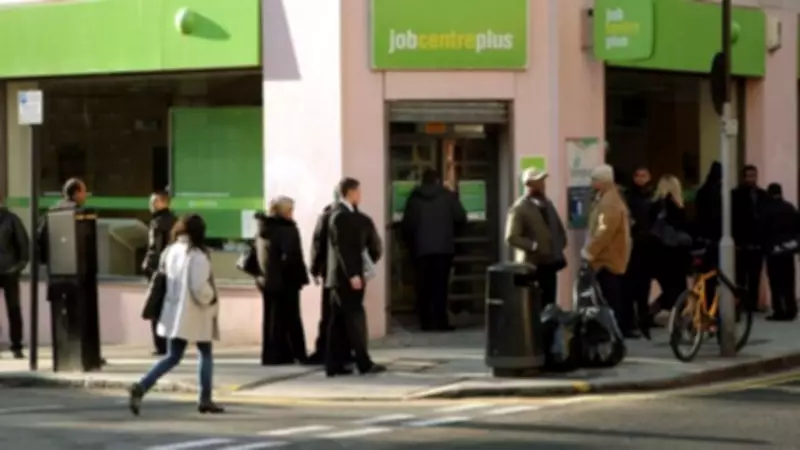
Thousands of families are facing a worrying year as 163,000 livelihoods are under threat following the economic turmoil triggered by the Iran war, according to a report that also says lower-income regions could bear the brunt of any losses.
Regional Impact
The Independent Treasury Economic Model (ITEM) Club's report warns that South Wales and the Humber are facing particularly difficult conditions in the coming months. Both locations rely heavily on manufacturing and building industries to support their local economies. ITEM Club says these sectors may reduce staff numbers to manage rising overheads and shipping disruption linked to the ongoing Middle East crisis. As many as 5,700 jobs in South Wales and 2,800 in the Humber could disappear this year, the report claims.
Tim Lyne from ITEM Club said: "Some of the lowest-income regions will feel the biggest effects. Consumers in these areas typically have less rainy-day savings, which will reduce spending in the retail and hospitality sectors."

National Job Losses
Across the UK, the total number of people in work is predicted to fall by 0.4%, equivalent to 163,000 net job losses. This change is fuelled by a dip in household spending and prices for fuel, power, and raw materials. ITEM Club predicts that employment in London will drop by 25,000 this year as its retail and hospitality sector slows, with a 12,500 reduction in Birmingham, a 9,800 drop in Leeds, and a 6,200 decline in Glasgow.
Unemployment Forecast
The Bank of England recently suggested that the national unemployment rate might climb to 5.6% by the end of the year, a notable increase from the current 5.2%, as the war continues to affect the global economy.
Bright Spots
There may be some bright spots, however. Lyne said: "Across the UK, the jobs market is going to soften, but resilience will come in places like Cambridge, where the tech sector is based." The report said that while publicly-funded sectors — including schools and the NHS — are likely to hire more people this year, it won't be enough to stop the overall decline.
Government Response
A Government spokesman said: "Recent figures show that there was an improvement in the labour market at the beginning of the year with unemployment falling below 5%, and 332,000 more people in work than a year ago. But we cannot escape the effects of the war in the Middle East, which are likely to feed through to prices and employment in the coming months. We will do everything we can to support the country through this period, including by slashing energy bills by up to 25% for 10,000 manufacturers. Our mission for clean power by 2030 will get us off the rollercoaster of fossil fuel prices, to cut bills for businesses and households for good."