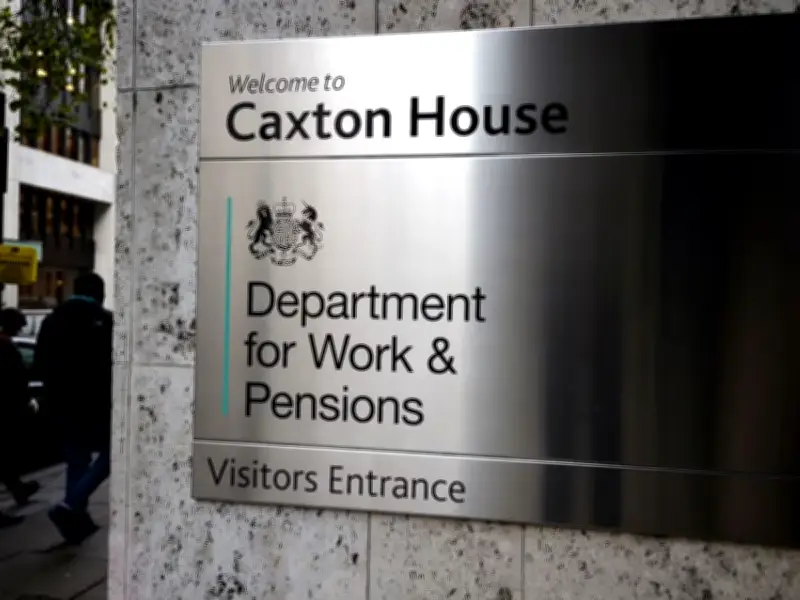
The Department for Work and Pensions could scrap the Triple Lock, a perk introduced in 2011 that ensures the state pension rises annually, after a new report warned it is placing the country's finances on an "unsustainable" path.
OBR Warns of Unsustainable Debt
The Office for Budget Responsibility (OBR) has issued a stark warning, revising up its public debt forecast for 2075 from 270% to 300% of GDP. Currently, public debt stands at around 95% of GDP, equivalent to just under £3 trillion.
The OBR stated that the growing cost of pensions is a key driver, with state pension spending expected to rise from 5% of GDP to around 9% over the next 50 years. It called on the Labour government, which has committed to the Triple Lock for the remainder of this Parliament, to take "early action" to prevent the deficit from widening and curb debt on an "unsustainable and ever-rising path."

Triple Lock Impact on Spending
The Triple Lock was introduced by the coalition government of the Liberal Democrats and Conservative Party. The OBR report noted: "In our baseline scenario, based on the assumption of unchanged policy, total primary spending is projected to rise by around 9% of GDP, from 40% of GDP in 2030-31 to 49% of GDP by 2075-76. State pension spending, which is projected to rise from 5% to 9% of GDP over the projection period, is driven by population ageing and the cost of the triple lock. The triple lock is estimated to account for around a third of this rise by the end of the projection period."
According to the OBR, the Triple Lock drives 1.2% of GDP out of the overall 3.6% of GDP long-term increase in state pension spending. The report added: "If the state pension were to be uprated by average earnings, spending would be reduced by 1.8% of GDP compared to baseline by the end of the projection period, while uprating by CPI inflation is projected to reduce it by 5.4% of GDP compared to the baseline."
Future Scenarios and Volatility
The OBR's 2025 Fiscal Risks and Sustainability report included a scenario showing that if earnings growth and inflation were more volatile, state pension spending could be 1.5% of GDP higher than the baseline. The report concluded that early action is needed to address the unsustainable trajectory.