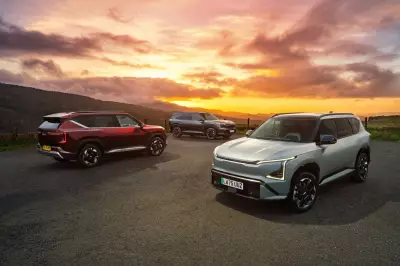
Chancellor Rachel Reeves has confirmed details of a new pay-per-mile tax that will hit drivers of electric vehicles (EVs) and plug-in hybrids. The levy, set to come into force in 2028, will charge motorists based on the distance they travel each year, marking a major shake-up in motoring taxation.
How the New Tax Works
Under the new rules, EV owners will be charged at a rate of 3p per mile, while plug-in hybrid drivers will pay 1.5p per mile. The Government says the tax will create a fairer system for all road users and generate significant additional revenue for the Treasury.
For the average Brit covering around 8,000 miles annually, the cost would amount to £240 at the 3p rate. However, those who drive greater distances—such as long-distance commuters—will face substantially higher charges.

Additional Running Costs
The new mileage charge will be paid alongside existing vehicle excise duty (VED). This is an extra running cost for households switching to electric, who were also made to pay VED for the first time last year. Treasury minister Dan Tomlinson confirmed: "At Autumn Budget 2025, the Government announced the introduction of electric vehicle excise duty (eVED), a new mileage charge for electric and plug-in hybrid cars, which will come into effect from April 2028. Drivers will pay for their mileage alongside their existing VED."
Criticism and Concerns
While ministers argue the changes ensure fairness across all vehicle types, critics warn they could slow the transition to electric cars. Simon England, founder of ALA Insurance, said: "Drivers are being encouraged to switch to electric cars ahead of the 2030 ban on ICE vehicles but financial incentives are quickly disappearing. If EV drivers are expected to pay the same, or more, than petrol and diesel drivers, then that’s a legitimate barrier that will deter thousands of road users from switching. The rise in EV adoption will leave quite a gap in the government’s revenue from road tax, but raising taxes for electric cars is definitely off-putting to people considering a switch, especially when they won’t have a choice from 2030, as it stands."