A stark new analysis has projected a dramatic decline in diesel vehicles on British roads, with millions potentially being scrapped ahead of the government's 2030 deadline.
The Vanishing Forecourt: Diesel's Impending Shortage
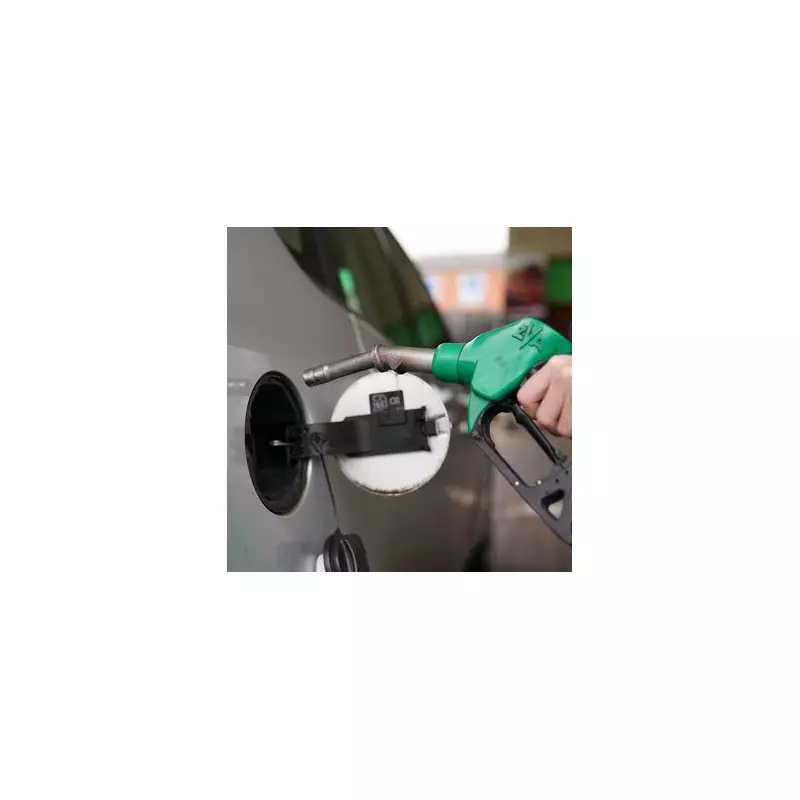
The report from electric vehicle think tank New AutoMotive indicates that filling stations in London are likely to cease selling diesel by 2030 due to plummeting demand. This trend is expected to spread nationwide, with predictions that many of the UK's 8,400 forecourts could stop offering the fuel entirely by 2035.
Ben Nelmes, chief executive of New AutoMotive, explained the economic reality for fuel retailers. "If fuel sits in tanks without selling at pace, it degrades," he said. "As diesel availability tightens, many motorists will conclude the smartest option is to avoid the headache and go electric."

A Staggering Drop in Vehicle Numbers
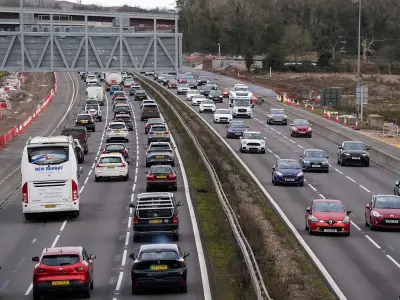
The potential scale of the change is immense. The report suggests that in just a decade, the number of diesel cars on UK roads could plummet to as few as 250,000. This represents a staggering fall from the 15.5 million diesel cars recorded in June 2025.
While the government's 2030 ban applies only to the sale of new petrol and diesel cars—allowing existing vehicles to remain on the road—this emerging market shift could effectively accelerate their departure.
Industry Voices: Support and Concern
A government spokesperson highlighted ongoing support for the transition, stating: "We know it's vital businesses feel supported in the transition to electric, and that's why we're backing industry with £7.5bn, boosting British manufacturing and supporting the jobs of the future."
However, the rapid forecast has drawn caution from motoring groups. Steve Gooding, director of the RAC Foundation, urged perspective, noting the continued reliance on diesel for commercial transport. "It feels like a brave move to call the death of diesel today when the vast majority of the vans and trucks that power our economy are still diesel-fuelled," he said.
Gooding also warned of practical challenges for remaining diesel drivers, suggesting they may soon be "anxiously seeking service stations where they can still fill up." This scenario paints a picture of a two-tier refuelling network long before the official ban takes full effect.
The analysis underscores a pivotal moment for UK transport, where market forces and environmental policy are converging to reshape what we drive and where we power our vehicles, potentially at a faster pace than many anticipated.