Electric Vehicles Now Cheaper Than Petrol Cars in UK Market Milestone
In a landmark development for the automotive industry, new electric vehicles have become cheaper than petrol cars for the first time in the United Kingdom. According to data from Autotrader, the average price of a new electric car is now £785 lower than that of petrol and diesel vehicles, signaling a pivotal shift in consumer affordability and market dynamics.
Price Comparison Details
The average advertised price for a new electric car listed on Autotrader is £42,620, while new petrol models average £43,405. This £785 difference, based on prices after discounts, represents a significant milestone in making electric vehicles more accessible to the general public. The reduction in upfront costs addresses one of the major barriers that have historically deterred consumers from switching to electric options.
Industry Insights and Reactions
Bex Kennett, head of new car at Autotrader, commented on the competitive landscape, stating, “The electric car market is becoming increasingly competitive, and despite the challenges created by the ZEV mandate, manufacturers and retailers have worked hard to improve both the supply and affordability of new electric vehicles.” She noted that carmakers have engaged in historically high levels of discounting earlier this year to boost electric sales.

Gurjeet Grewal, chief executive of Octopus Electric Vehicles, emphasized the significance of this development, calling it a true milestone. “For the first time, EVs are cheaper than petrol cars on upfront cost – removing one of the biggest barriers to switching. They’ve long been cheaper to run, and now they’re cheaper to buy, too. Add in growing competition and more choice, and it’s clear the direction of travel: electric is the obvious option for drivers.”
Addressing Remaining Challenges
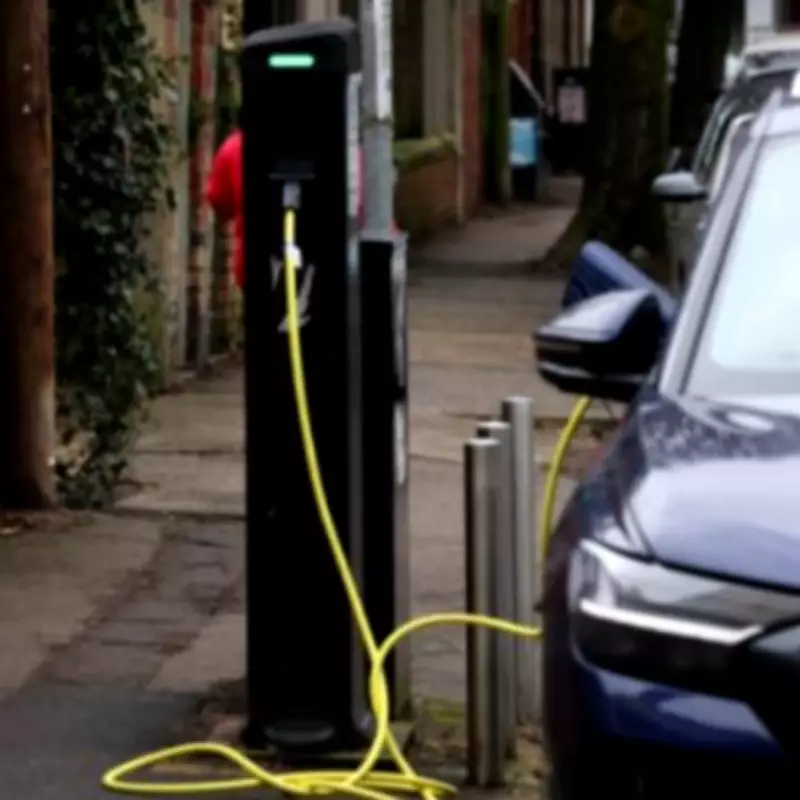
Vicky Read, chief executive of Charge UK, highlighted that while upfront costs have been addressed, public charging remains a hurdle. “Another barrier to EV adoption just fell. On the vehicle side, up-front cost for consumers has been well addressed through the Government grant and dropping prices. On the charging side, if you can charge at home, it has long made more financial sense to go electric. The final hurdle is public charging.”
She pointed out that with petrol prices soaring due to global volatility, the Government has an opportunity to reduce public EV charging prices, which have been affected by policy. This could make cleaner driving affordable for everyone, including the third of households without driveways, and help meet automakers' quotas.
Market Implications
This price shift is expected to accelerate the adoption of electric vehicles in the UK, as it combines lower purchase costs with the existing benefits of reduced running expenses. The trend reflects broader efforts in the automotive sector to enhance sustainability and meet environmental targets, while also responding to consumer demand for more economical and eco-friendly transportation options.