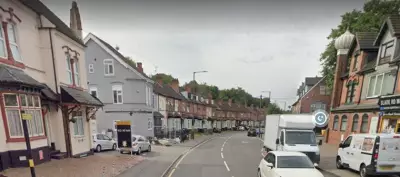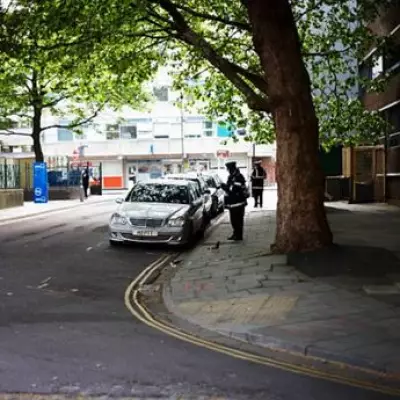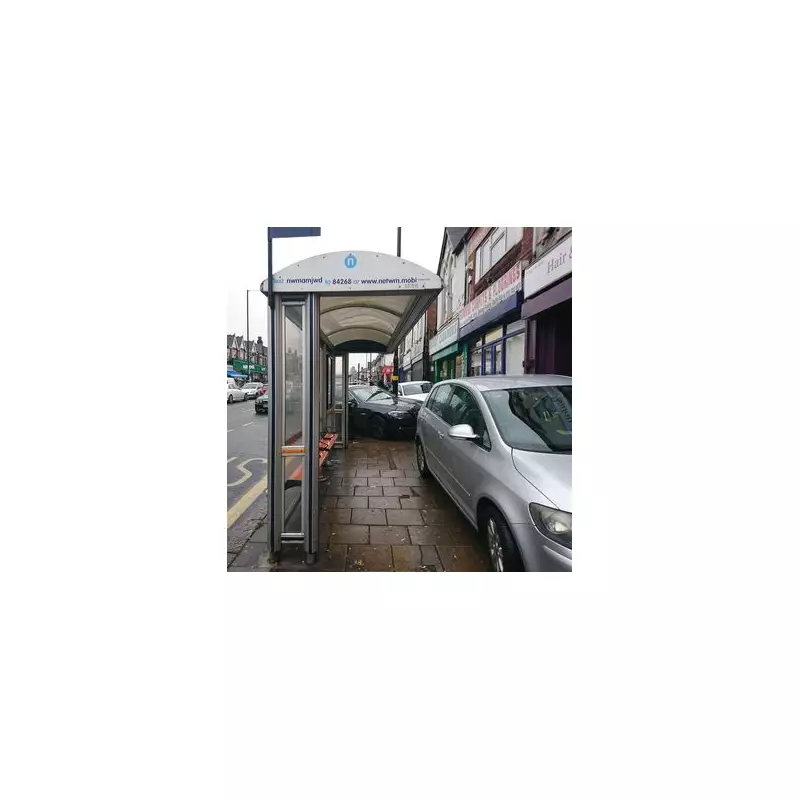
The Government has announced a major shift in transport policy that will empower Birmingham City Council to finally crack down on the widespread and dangerous practice of pavement parking. The new powers, unveiled on 8 January 2026, are set to bring the city in line with London, where such restrictions have been enforced for years.
A Long-Awaited Solution to an 'Out of Control' Problem
Campaigners from Better Streets for Birmingham have long argued that the situation with cars blocking footpaths is now 'completely out of control'. They report that it is an everyday occurrence for pedestrians, including children, parents with prams, the elderly, and disabled individuals, to be forced into the road to navigate around obstructing vehicles.
Martin Price, chair of the campaign group, welcomed the move, stating it is a vital step in resolving the city's road safety emergency. He highlighted specific issues, saying, "Often, people can’t even access the pavement because dropped kerbs and tactile paving crossings are blocked."

What the New Powers Will Mean
The Department for Transport confirmed the change following a public consultation. The new legal framework will simplify the process for local authorities outside London to restrict pavement parking across wider areas. Previously, councils had to rely on complex and lengthy regulations with limited enforcement capability.
Local Transport Minister Lilian Greenwood emphasised the importance of clear pavements for independent travel, particularly for vulnerable groups. While the powers are not expected to be implemented immediately, it is likely that action will follow later in 2026.
The rules will allow councils to:
- Introduce bans across entire areas.
- Create exemptions where it is deemed safe to do so.
- Use more proportionate and locally appropriate enforcement methods.
Broad Support and Acknowledged Challenges
The decision has garnered support from key local figures. West Midlands Mayor Richard Parker championed the move, stressing that blocked pavements are a serious safety risk, not just a minor inconvenience. National charities like Guide Dogs also welcomed the announcement after years of campaigning.
However, council leader John Cotton acknowledged there is no quick fix, recognising the unique challenges in older parts of the city with narrow, pre-car era streets. The RAC's Rod Dennis also noted that the powers should be used proportionally, allowing partial pavement parking where it aids traffic flow without causing an obstruction.
Final guidance to help local authorities apply the powers effectively is due to be issued later in 2026, marking the start of a significant change for Birmingham's streets and pedestrian safety.