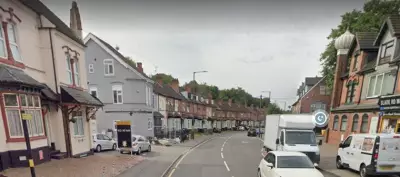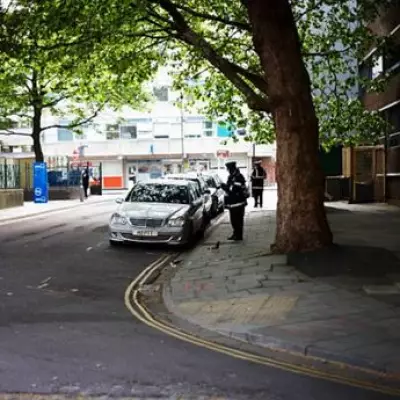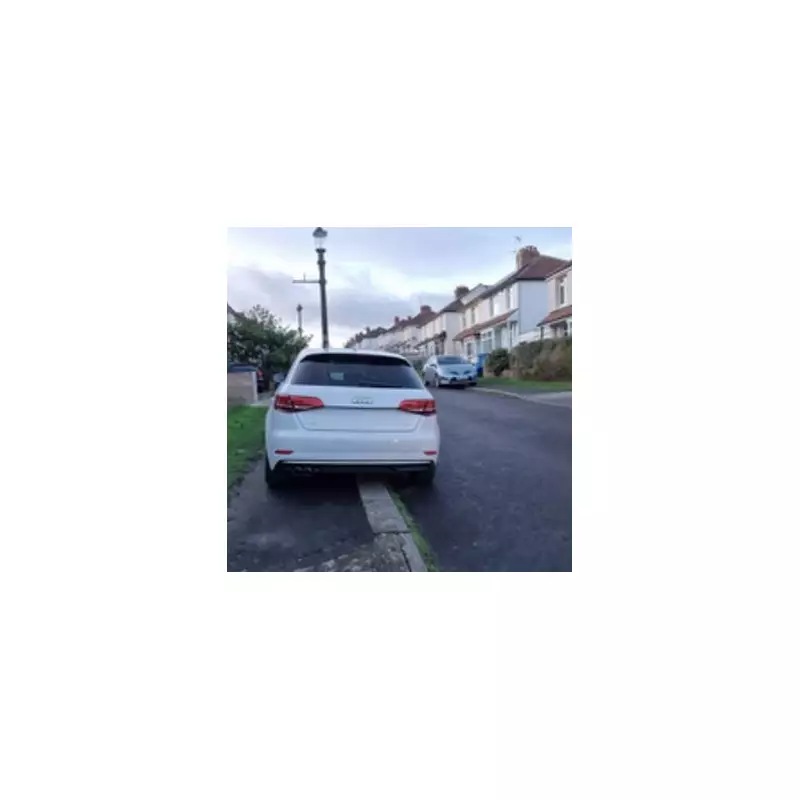
Millions of drivers across England could soon face new fines as the government hands councils fresh powers to tackle the problem of pavement parking.
What are the new pavement parking rules?
The Labour government, through Local Transport Minister Lilian Greenwood, has confirmed that local authorities across England will soon have the power to introduce pavement parking restrictions across their entire area. The changes, set to launch this year, follow a public consultation by the Department for Transport.
This marks a significant shift from the previous system, which often limited action to individual streets and involved lengthy, complex legal processes. The new framework is designed to allow councils to act more swiftly and consistently over wider areas.

Why is this change being introduced?
Minister Greenwood stated that clear pavements are fundamental for safe and independent travel. "Whether that’s a parent with a pushchair, someone using a wheelchair, or a blind or partially sighted person," she said, "we’re giving local authorities the power to crack down on problem pavement parking."
The move has been warmly welcomed by the charity Guide Dogs. Its Chief Executive, Andrew Lennox, highlighted that cars blocking pavements are "especially dangerous for people with sight loss, who can be forced into the road with traffic they can’t see." He added that blocked pavements act as a barrier, undermining confidence and independence.
Reaction from motoring groups and local leaders
Rod Dennis, Senior Policy Officer at the RAC, noted that their research shows most drivers agree no one should be forced into the road due to inconsiderate parking. "These proposals should clear the way for councils to prevent pavement parking where it causes problems," he said, "but permit drivers to partially park on pavements where doing so helps keep traffic flowing and doesn’t inconvenience other people."
Mayor of the West Midlands, Richard Parker, echoed the sentiment, calling it a "practical step" that puts decisions in the hands of local leaders who understand their streets. "For parents with pushchairs, wheelchair users and people who are blind or partially sighted, a blocked pavement is not a minor inconvenience – it can stop a journey altogether and is a risk to people’s safety," he stated.
The consensus is that the new powers, expected to be introduced and enforced consistently, aim to balance the needs of traffic flow with the paramount importance of pedestrian safety and accessibility for all.