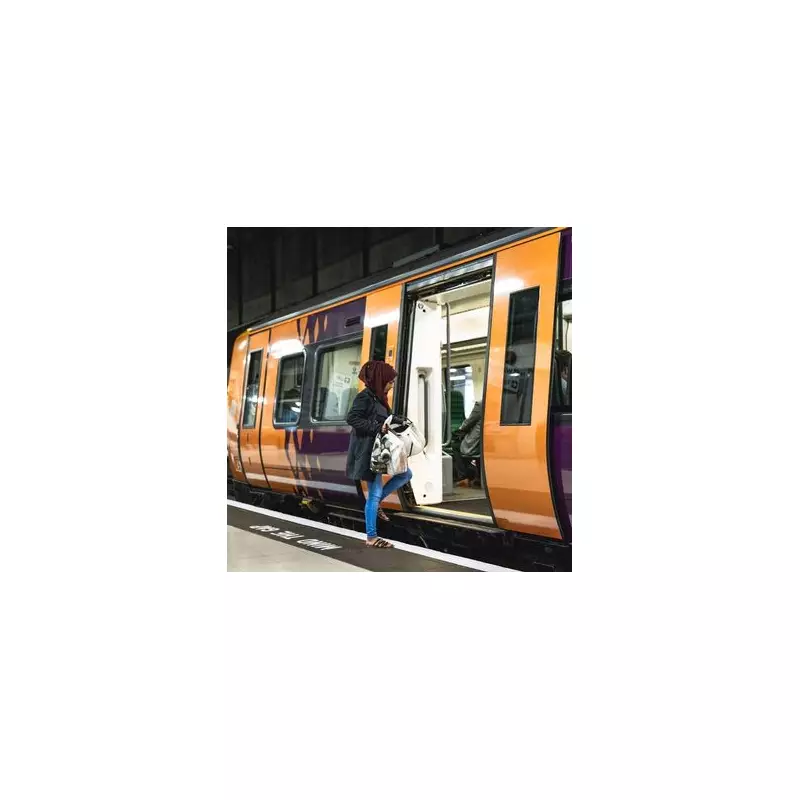
Local politicians across the West Midlands are pushing for a significant expansion of rail services, arguing it is vital for reducing road congestion and strengthening the regional economy. The calls come as new stations are set to open and a key devolution deal for local rail management is extended.
Devolved Powers and the Push for Greater Control
The West Midlands Combined Authority (WMCA) board has agreed to extend the collaboration agreement between the West Midlands Rail Executive (WMRE) and the Department for Transport (DfT). This crucial deal grants devolved powers to the WMRE, including the ability to propose changes to fares and passenger services, manage day-to-day contracts, and oversee the West Midlands Railway brand.
During discussions, members emphasised to West Midlands Mayor Richard Parker that boosting the number of services would deliver long-term benefits. Councillor Stephen Simkins, leader of City of Wolverhampton Council, supported the agreement but stressed the need for further evolution of these powers.

"You need to have the full autonomy over the train and network and the operators in the interim period until it becomes a fully nationalised entity," Simkins stated. "We will see the benefits for years to come."
Key Routes and Stations in the Spotlight
Councillors identified specific connections that require urgent improvement. Stephen Simkins highlighted the Shrewsbury to Wolverhampton line as a prime example of an untapped economic opportunity, calling for a more regular service after a decade of advocacy.
"There are other stations that could be bought back into use for the economic development across the region," he added, underlining that connectivity must be paramount.
In Birmingham, Councillor Rob Pocock, the Cabinet Member for Transformation and Governance, welcomed new stations like Pineapple Road, Moseley and Kings Heath. However, he warned they would be of little value without a reliable and frequent service.
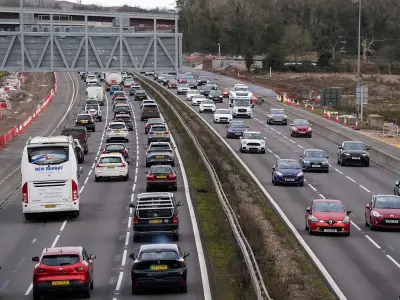
"I think it will be really helpful if we could use this opportunity to lobby for six trains an hour on the Cross City Line," Pocock said. "I think that would be enormously valuable in helping deal with traffic congestion and also strengthening economic links."
Similar demands for increased services were echoed by Solihull Council leader Karen Grinsell and Walsall Council deputy leader Adrian Andrew.
Mayor's Commitment and Future Lobbying
In response, Mayor Richard Parker affirmed his commitment to securing better rail provision for the region. He expressed a desire to have a greater say in how government revenue support for rail services is spent locally.
"As we know, there are some places that aren't going to get the services we would like," Parker acknowledged. "I'll continue to work with the leaders and deputy leaders of the councils that are impacted by that and continue to lobby government to ensure we get the services running on the ground this region needs."
The unified front from local leaders signals a determined push to use newly devolved powers and political pressure to transform the West Midlands' rail network, aiming to unlock economic growth and provide a credible alternative to car travel.