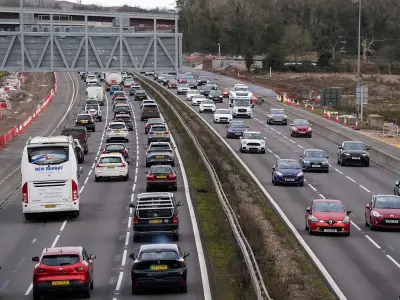
Millions of UK motorists are set to see their annual road tax bills climb from next spring, as the government confirms an across-the-board increase in Vehicle Excise Duty (VED). The changes, which take effect from 1 April 2026, will affect drivers of petrol, diesel, and electric vehicles, with the highest-polluting models facing the steepest rises.
How Much Will You Pay? The New VED Rates Explained
The standard annual rate for cars registered on or after 1 April 2017 will rise by £10, from £190 to £200. However, the financial hit is far more significant for owners of new, high-emission vehicles. First-year VED rates for brand-new petrol and diesel cars are soaring by hundreds of pounds.
For the most polluting models emitting over 255g/km of CO2, the annual charge will jump to £5,690 in 2026/27, up from the current £5,490. Cars emitting between 226 and 255g/km will see their bill increase to £4,850 from £4,680.

In a continued incentive for cleaner transport, brand-new electric car owners will still benefit from the lowest rates, paying just £10 for the entire year.
Older Vehicles Also Face Higher Charges
The tax rise is not limited to newer cars. Owners of vehicles registered between 2001 and 2017 will also pay more, based on their CO2 emission band.
The highest increases for this group apply to Band M (the most polluting), where the annual bill will rise from £760 to £790. Band L drivers will pay £25 more, with charges increasing from £735 to £760. Owners in Bands I, J, and K will see a £15 hike.
Why Are Taxes Going Up?
The Treasury has linked the increase to the Retail Price Index (RPI), a standard measure of inflation. A spokesperson for HMRC stated: “As announced at Budget 2025, the government will introduce legislation in Finance Bill 2025-26 to uprate Vehicle Excise Duty rates for cars, vans and motorcycles in line with the Retail Price Index (RPI) for 2026 to 2027.”
This policy adjustment comes as cars have become more efficient, leading to a potential shortfall in tax revenue. The Office for Budget Responsibility estimates that VED will raise £10 billion by 2027/28, a significant increase from the £7.3 billion collected in the 2022-23 tax year.
Motorists are advised to budget for the higher costs, which will come into force at the start of the new financial year in April 2026.