Mastering Your MOT: A Guide to Passing the Annual Vehicle Inspection
The annual MOT test is a critical moment for many drivers across the UK, serving as a legal requirement to ensure vehicles are roadworthy. For cars older than three years, or four years in Northern Ireland, and those first registered over 40 years ago, this inspection is mandatory. It focuses on safety and environmental standards, including lights, tyres, brakes, and exhaust emissions, but does not cover mechanical issues like engine or gearbox problems. Even electric vehicles older than three years must undergo this test. With thousands of cars inspected annually, it can be a nerve-wracking experience, but spending just 20 minutes on basic checks can prevent failures and expensive retests.
Lighting and Indicators: Ensuring Visibility and Safety
Functional lights are fundamental for passing the MOT. It is easy to verify this yourself by having a friend stand outside the vehicle to confirm all lights, including indicators and fog lights, work properly as you operate the switches. If you find a blown bulb, you can often replace it at home with an inexpensive part from a local shop. Many motor factors will even install it for a small fee if you are not comfortable working under the bonnet.
Tyre Safety and Tread Depth: The Foundation of Road Grip
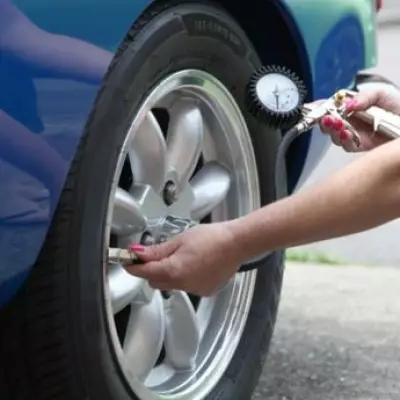
Tyres are the only part of your car in contact with the road, making their condition a top priority for examiners. While the UK legal minimum tread depth is 1.6mm, it is advisable to replace tyres well before reaching this limit. Use a depth gauge or the '20p test' by inserting the coin into the tread grooves; if the outer ring is visible, new tyres are needed. Additionally, inspect sidewalls for bulges, cuts, or exposed cords, and remove any embedded debris like nails or screws that could cause slow punctures.

Exhaust System and Emissions: Listening for Warning Signs
The exhaust system plays a key role in emissions testing, so pay attention to your engine's sound. If your car is louder than usual, it may indicate a hole in the pipework that requires sealing. Listen for rattling or clunking noises, which often signal loose or corroded hanging brackets. Unusual smoke from the rear should prompt professional advice to rule out serious internal engine issues.
Windscreen, Wipers, and Mirrors: Maintaining Clear Vision
Your car's glass endures significant stress, especially in harsh winter conditions with grit and ice. Any major chips or cracks within the driver's primary line of sight can lead to an immediate MOT failure. Check wing mirrors and the rearview mirror for cracks or discolouration that might obscure your view. Repairing a small stone chip or replacing damaged mirror glass early is far more affordable than a full windscreen replacement later.
Essential Fluid Levels: Optimising Vehicle Performance
Keeping fluids topped up ensures your vehicle runs efficiently during the rigorous MOT process. Ensure at least a quarter tank of fuel is present and that engine oil levels sit between the markers on the dipstick. Always refer to manufacturer guidelines when adjusting fluid levels and seek professional advice if necessary.
Braking Performance: Ensuring Safe and Controlled Stops
Before your MOT appointment, closely monitor how your car responds when braking. The vehicle should come to a controlled, straight stop without pedal vibration or steering wheel pull. Test the handbrake by parking on a safe incline to confirm it holds the car's weight firmly. If the lever pulls up too high or feels slack, a mechanic's adjustment is likely required.
Interior and Dashboard: Completing the Safety Checklist
The cabin is just as important as the exterior in the examiner's assessment. Test every seatbelt to ensure they click securely into place and verify that the horn produces a clear, audible sound. Finally, check that no warning lights, such as ABS or airbag indicators, are illuminated on the dashboard, as these often result in automatic failures.