Households across the UK are being urged to take immediate action to protect their properties as a deep freeze grips the nation, bringing with it the widespread threat of frozen and bursting pipes.
The Hidden Danger in Your Cupboards
With overnight temperatures plunging to a bitter -5°C, even seemingly prepared homes are at risk. The problem often lies hidden behind closed doors. Kitchen and bathroom pipes are frequently routed inside cupboards and along exterior walls, the areas where the cold bites fastest. Keeping these cupboard doors shut can inadvertently trap cold air around the pipework, creating the perfect conditions for the water inside to freeze.
This was the exact situation faced by homeowner and Express writer Sophie Harris. Despite having insulated her pipes and leaving the heating on overnight, she woke to find her water supply halted by a frozen pipe after the severe overnight frost.

A Warm Air Solution That Saves a Call-Out
Faced with a potential emergency, Sophie employed a remarkably simple yet effective method to resolve the issue herself, avoiding the need for an expensive engineer call-out. Her solution? She opened the cupboard doors in her kitchen and downstairs toilet.
This straightforward action allowed warm air from the central heating to circulate freely around the concealed pipework. The result was a rapid and natural thaw. After opening the cupboards and turning up the heating, the pipes were completely defrosted within just two hours.
Sophie noted that she usually remembers to leave these cupboards ajar during cold spells but had forgotten on this occasion, which led directly to the morning's icy problem.
Official Advice and Crucial Warnings
Energy giant British Gas offers guidance for those who can locate a frozen section of pipe. They advise using a gentle heat source to thaw the blockage slowly. "Once you've found the culprit, you'll need to thaw it out to get things flowing again," a spokesperson said. "Slowly pour hot but never boiling water over the frozen pipe and place a hot water bottle over it to help melt away the ice."
Experts issue a stern warning against using boiling water or naked flames like blowtorches, as the sudden extreme temperature change can cause pipes to crack or burst, significantly worsening the situation and leading to costly flooding.
To prevent the issue from occurring in the first place, homeowners are recommended to adopt a few key practices during a cold snap:
- Keep cupboard doors open to allow warm air to reach pipes.
- Maintain a low background heat overnight, even if you're turning the thermostat down.
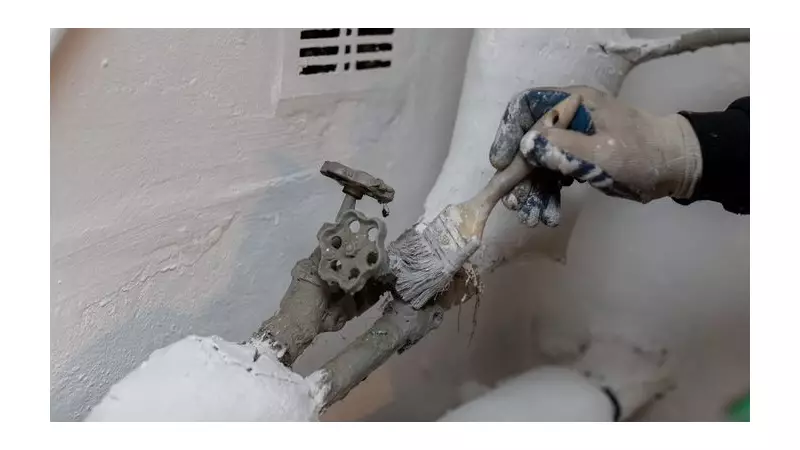
- Ensure any exposed pipework is properly lagged with insulation.
As the UK's winter continues to bite, this simple awareness of how cold air circulates—and how to counteract it—could be the difference between a minor morning chore and a devastating domestic flood.