A council housing development in the Black Country has finished nearly one million pounds over its initial budget, according to a new report from Sandwell Council.
Project Details and Budget Breach
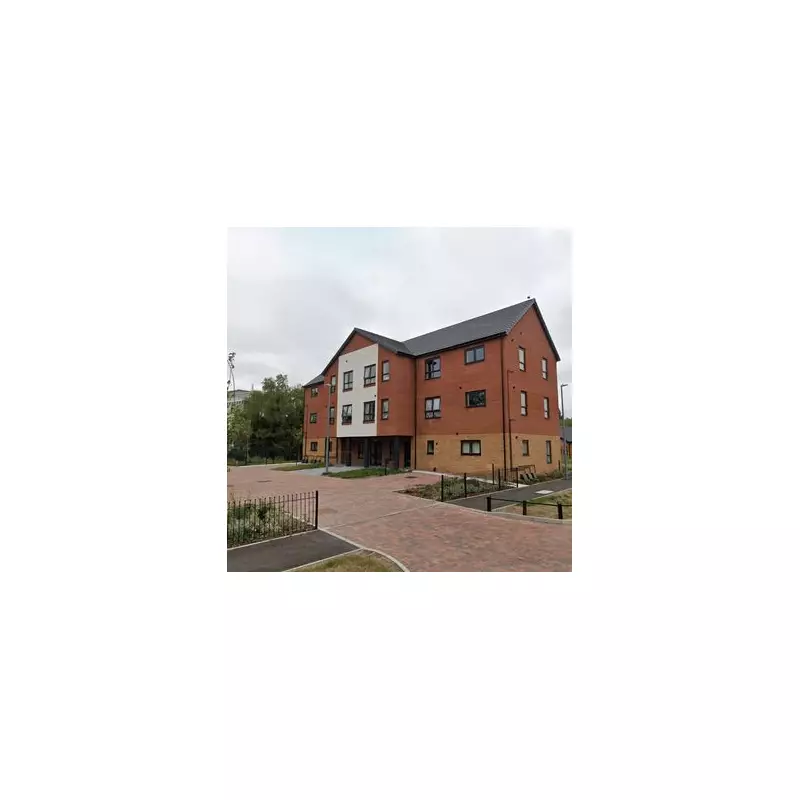
The scheme, which saw the construction of 18 new flats and bungalows on Beever Road in Tipton, was completed in June last year. While the original contract with the Harper Group was valued at £4.4 million, the final cost is now expected to be an additional £929,449.
Council officials have described the overspend as a "worst-case estimate", attributing it to a series of unexpected and regulatory issues that arose during construction. They noted that the original budget covered only the physical build, leaving out essential fees for consultants and surveys, as well as project management costs.

Causes of the Significant Overspend
A detailed council report outlines multiple factors that drove costs upwards. Key contributors included:
- Inflation: Rising costs for labour, plant, and materials in the five months between the contract award and work starting added approximately £90,000.
- Regulatory Changes: Updates to building regulations necessitated extra work, costing an additional £173,000.
- Site Closures: The Environment Agency halted construction for three and a half months, leading to a £23,000 increase and mandating further drainage work.
- Ground Conditions: The need for stronger retaining walls (£98,000) and the removal of invasive Japanese knotweed (£65,000) further inflated the bill.
The report stated the budget position reflected "external regulatory requirements, unexpected ground and site conditions, and changes introduced during the course of the project."
Historical Site and Council Justification
The site on Beever Road, previously used for allotments and post-war prefabricated homes, had become an "underutilised" patch of grass prone to fly-tipping and anti-social behaviour. The council said ground conditions were "particularly challenging" due to historic mineshafts, existing watercourses, and contaminated land.
Sandwell Council defended the overspend, arguing that most factors, excluding the initial omission of consultant fees, could not have been "reasonably foreseen at tender stage." They insisted the extra costs were necessary to comply with statutory obligations, ensure health and safety, and accommodate essential changes.
The plans were first approved in late 2021, with the £4.4 million construction contract awarded in September 2022.