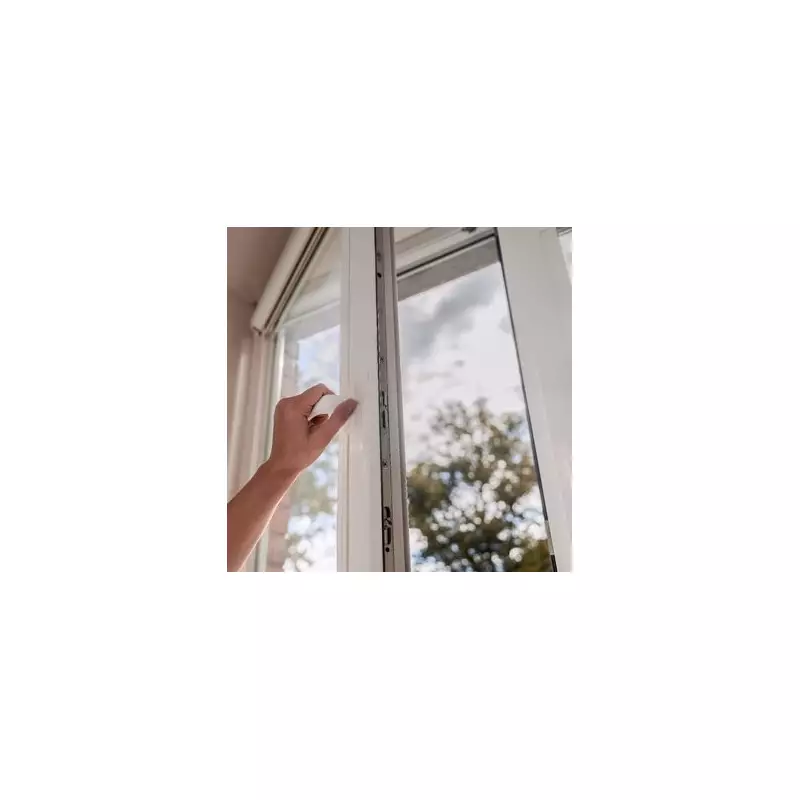
As temperatures plummet across the UK, a surprising piece of advice is being issued to every household: open your windows. Property experts are urging residents to adopt a simple ten-minute daily ventilation rule to combat winter dampness and create a healthier, more efficient home.
Why Ten Minutes of Cold Air is a Warm Home's Best Friend
It may seem counterintuitive to let freezing air inside during the coldest months, but specialists from Blinds2go confirm that this brief burst is crucial. The key is duration—just ten minutes is enough to circulate fresh air without causing the property's internal temperature to crash.
The primary enemy during winter is trapped moisture from cooking, bathing, and breathing. This leads to condensation on windows and walls, which is the perfect breeding ground for harmful black mould. By opening windows wide for a short period, you replace this damp, stale indoor air with drier outdoor air, significantly reducing condensation and preventing mould growth.

Boosting Your Home's Thermal Efficiency
This practice does more than just tackle damp; it can actually make your home feel warmer and your heating work better. Contrary to belief, a house full of moist air can feel chillier, as humidity makes it harder to feel warm. Drier air is easier and more cost-effective to heat.
Therefore, this short ventilation can improve overall thermal efficiency. Once the windows are closed, your heating system doesn't have to work as hard to combat a clammy atmosphere, potentially helping to keep energy bills under control.
Simple, Complementary Steps for a Cosy Home
To maximise the benefits of this winter ventilation strategy, experts recommend combining it with other easy measures. During daylight hours, strategically open curtains and blinds to harness free natural solar heat, allowing the sun to warm your rooms.
It is equally critical to hunt down and seal draughts. Check common culprits like:
- Door frames and letterboxes
- Old windows and cat flaps
- Floorboards and skirting
Minimising these gaps ensures the warmth you generate stays inside. Further steps like using thick rugs on hard floors and fitting draught excluders can add an extra layer of insulation. Together, these methods create a more comfortable living environment, protect your health from mould spores, and promote better energy management throughout the winter season.