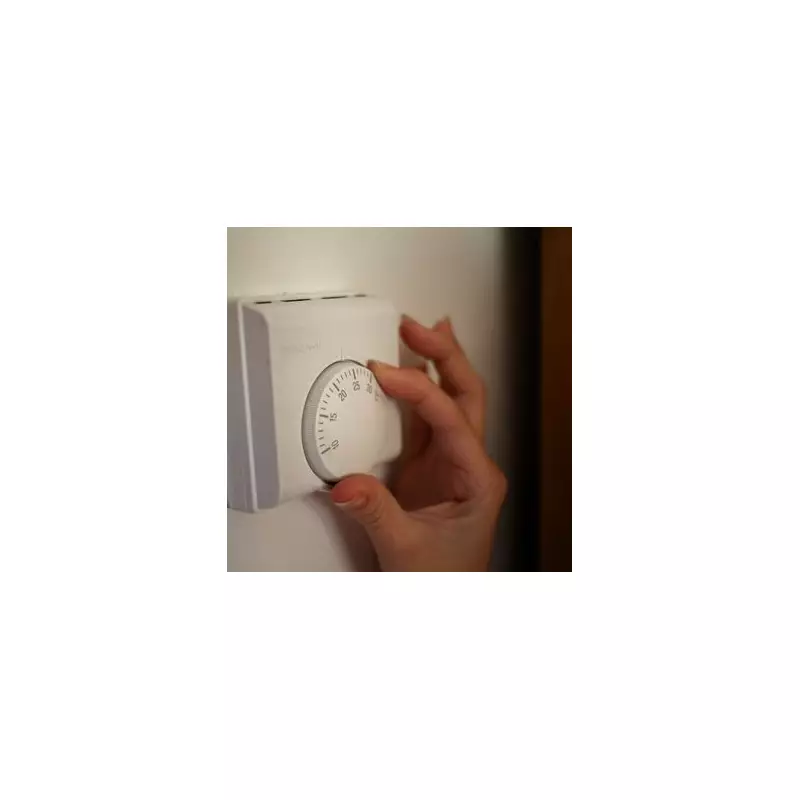
As winter tightens its grip and energy bills climb, a critical piece of advice is emerging for UK households battling the dual threat of cold and damp. Experts are urging residents to set their thermostats to one specific temperature to effectively prevent mould growth while managing costs.
The Recommended Temperature to Fight Damp
Both the World Health Organisation (WHO) and the Energy Saving Trust are in agreement on the ideal indoor climate for health and efficiency. They advise that to stave off condensation, damp, and the resulting mould, your heating should be set to no higher than 21°C, with 18°C being the ideal target.
This guidance is echoed by public health bodies. Hayley Janssen, a public health researcher at Public Health Wales, outlined the Welsh Government's official advice: "Households [should] set temperatures to 21°C in the living room and 18°C in other rooms for nine hours in every 24-hour period on weekdays, and 16 hours in a 24-hour period on weekends."

The Great Heating Debate: On All Day or On Demand?
While the target temperature is clear, the best method to achieve it is a subject of debate. Martin Lewis' MoneySavingExpert.com (MSE) strongly advises against leaving your heating on constantly throughout the day. Their research, which incorporates insights from the Energy Saving Trust, British Gas, and an independent plumber, suggests this can lead to greater heat loss and ultimately higher costs.
The Energy Saving Trust supports this view, stating it is generally more efficient to heat your home only when you need it.
However, a contrasting perspective comes from heating advice group Heat Geek. They propose that a "low and slow" method—maintaining a steady, low temperature—can be effective in certain circumstances. This approach may suit homes with a modern condensing boiler or a heat pump, and for people who are at home for most of the day. For those considering this method, Heat Geek recommends keeping the thermostat at a steady 18-19°C to maximise efficiency.
How to Find Your Best Method
Given the conflicting advice, MSE recommends a practical, evidence-based approach for households to discover what works for their specific home and lifestyle.
They suggest trialling both heating strategies for one week each and comparing the energy usage. To ensure a fair test, you should:
- Take a meter reading at the start and end of each week-long trial.
- Ensure the outdoor temperatures during both trial weeks are roughly similar.
This personalised experiment can help Brits navigate the difficult balance between maintaining a healthy, mould-free home and managing soaring energy bills, which saw another increase on January 1, 2026.