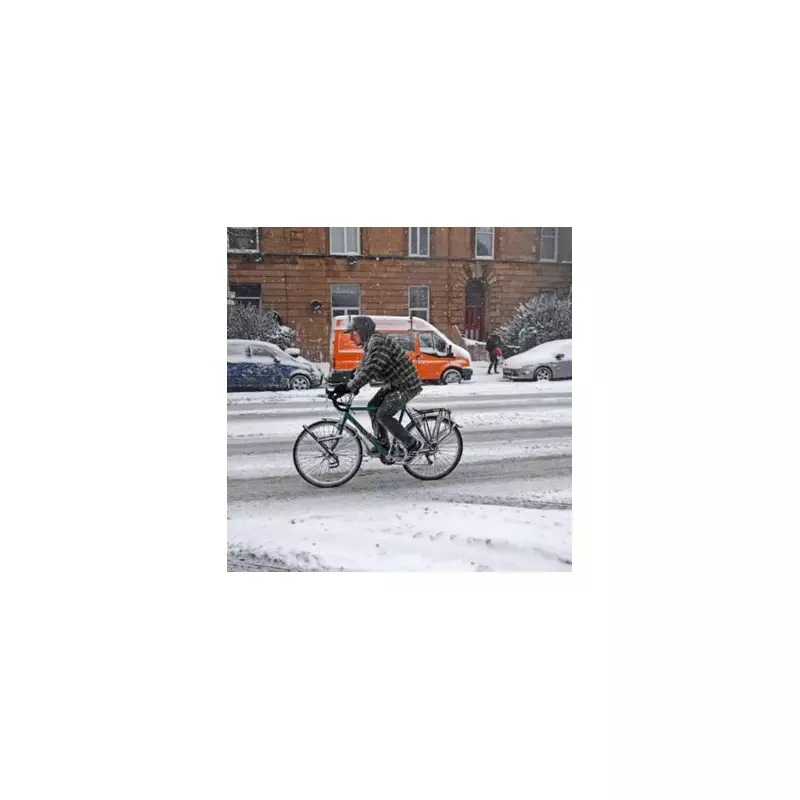
The Met Office has weighed in on mounting speculation that a new 'Beast from the East' weather event is poised to strike the United Kingdom, as rival forecasters point to a significant cold snap arriving by the end of January.
Snow Maps Paint a Wintry Picture
Charts from independent meteorological services, including WX Charts, Ventusky, and Netweather TV, indicate a substantial band of snow could hammer the nation once more, just weeks after the disruption caused by Storm Goretti. The data suggests a massive patch of white stretching from coast to coast, impacting areas from Norfolk and Suffolk in East Anglia across to Pembrokeshire in Wales.
Forecasts point to temperatures dropping sharply from around January 30, with the mercury potentially falling as low as -12C in early February. The models initially earmarked January 31 for the onset of the severe wintry conditions, a date that now appears to have been brought forward.

Met Office Confirms Battleground Conditions
In its latest outlook, the national weather service appears to confirm the potential for disruptive snow, describing the UK as becoming a meteorological "battleground." The forecast states that Atlantic weather systems will attempt to push in from the west but are likely to stall as they encounter high pressure to the north and northeast.
Steven Keates, Deputy Chief Forecaster at the Met Office, offered a note of caution. "While it does look increasingly likely that conditions will turn more widely colder into next week, the timing and extent of this colder air remains uncertain," he said. "The majority indicate below-average temperatures from the east, but nothing too extreme at the moment."
Aurora Sightings Possible Amid Solar Activity
In related space weather news, the Met Office also reported on a Coronal Mass Ejection (CME) from the sun. Krista Hammond, the Met Office Space Weather Manager, explained that the CME's arrival could trigger geomagnetic storming, raising the possibility of aurora sightings.
"The effects of the CME may linger into Tuesday night, with aurora sightings possible across Scotland, perhaps also Northern Ireland and northern England, where skies are clear," Hammond noted. This phenomenon, however, is expected to wane by Wednesday night.
Residents across the UK, particularly north of London where the snow is predicted to be most intense, are advised to monitor official forecasts closely as the situation develops in the coming days.