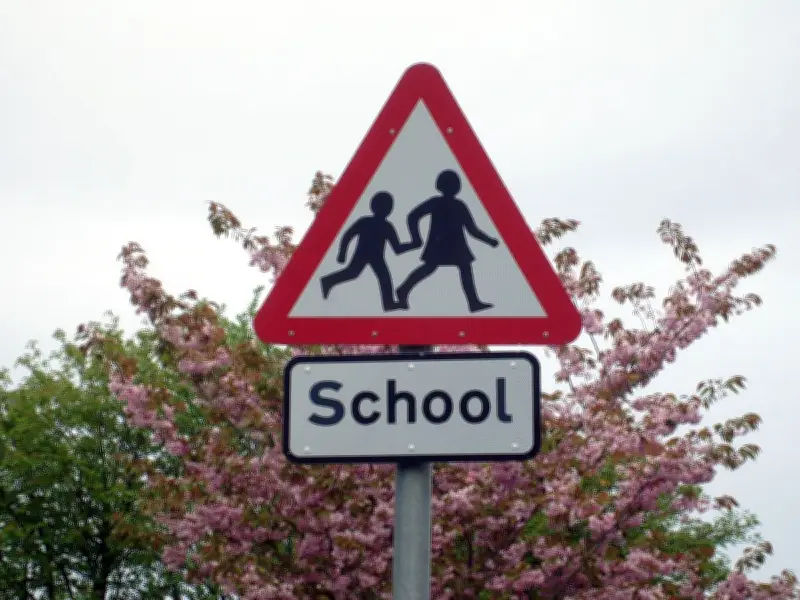
Liberal Democrat MP Caroline Voaden has introduced the Outdoor Education Bill to Parliament, proposing that all primary and secondary school children spend a minimum of 30 minutes outdoors during school hours to address what she describes as a "vicious mental health crisis" among young people.
Bill Details and Requirements
The proposed legislation would require schools to provide at least one lesson per week outside, in addition to the daily outdoor time. Schools would also need to offer at least one outdoor education experience per pupil at primary level and another at secondary level, such as residential trips.
Speaking in the Commons, Ms Voaden said: "We are missing out on the cheapest, easiest and quickest way to turn around the vicious mental health crisis we see in our children and young people – a crisis that affects their ability to learn, to achieve, to work and to live a healthy and happy life. The answer is outdoor learning."

Research Supporting the Bill
Ms Voaden cited research by the Real Play Coalition showing that outdoor play has fallen by 50% in a generation. Polling by the Raising the Nation Play Commission, released last year, found that 55% of parents believe their youngest child plays outside less than they did during their own childhood.
She also referenced a Natural England study from a decade ago, which revealed that 90% of children felt happier and healthier after participating in outdoor learning. "Children who live the furthest distance from green or open outdoor spaces spend more time on screens and have poorer mental health than children living in close proximity," she said. "A lack of time spent outdoors is linked to childhood health disorders such as ADHD, obesity, and depression."
Addressing Inequality
Ms Voaden highlighted that many children in coastal communities rarely visit beaches due to lack of transport and high parking costs. "I often hear of children who live just a couple of miles from stunning beaches but have never been," she added. "For many young people living in urban areas, their only realistic opportunity to experience nature comes through residential outdoor learning, where they are taken out of their local environment altogether."
She argued that building confidence in the outdoors instils respect for nature, which is crucial for addressing climate change. "We simply cannot expect future generations to nurture our planet if they don't understand the wonder of nature," she said.
Next Steps
The Outdoor Education Bill is scheduled for debate on 16 October. However, without Government support, it is unlikely to become law.